







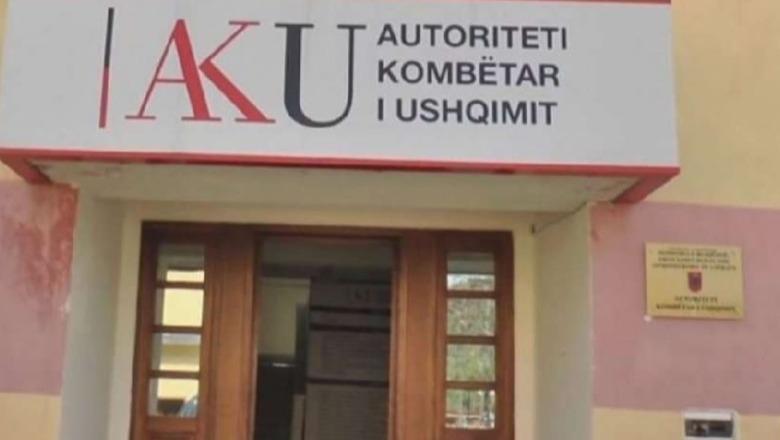
The Food Safety Authority has stepped up checks on maize imported for use as animal feed, ordering that shipments be held in importers’ warehouses until laboratory results are available, after two cases of non-compliant aflatoxin B1 content were found.
According to data published by the AKU, between 1 January and 31 October 2026, 28 samples of animal feed were taken at Border Inspection Points for analysis of this indicator. Of these, 26 were compliant, while two samples, taken on 3 March and 4 May 2026 and originating from Greece, were non-compliant. According to the AKU, both shipments of maize for animal feed were blocked in the warehouses of the importing businesses and subsequently sent for destruction.
Following these findings, the AKU has drawn up a three-month action plan to strengthen controls on this product. The plan is based on a risk matrix, taking into account the history of non-compliant cases, the product’s origin, the quantity and the number of imports. Under this plan, samples are being taken from the shipments of all importers, with particular attention to operators importing for the first time. So far, 16 samples have been taken and sent for analysis to the Reference Laboratory of the Institute of Food Safety and Veterinary (ISUV), and the results are still pending.
The AKU notes that all business operators importing maize for animal feed have been informed that the product will remain blocked in their warehouses until the analyses are completed, in accordance with the legislation in force. The frequency of sampling will be updated depending on the history of non-conformities, origin, quantity and number of imports.
