







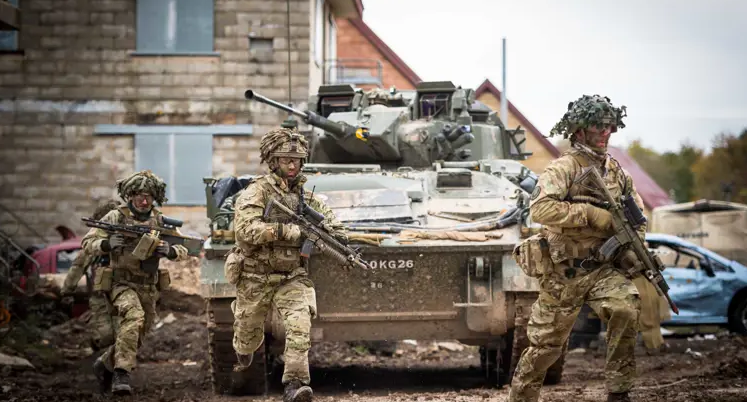
The British government’s decision to update the records of around 100,000 former military personnel is more than an administrative procedure: it is a signal that the government is taking seriously the risk of a severe security crisis in Europe. At a time when the war in Ukraine continues and tensions with Russia are increasing, readiness cannot rely solely on the number of active troops. The situation between Russia and Ukraine is worsening, all the more so after the strike on a Russian warship by the Ukrainian side.
It is important that the British authorities have clarified that this is not a mobilization order. Updating records and testing the strategic reserve are intended to show what capacities the country has in the event of war and how quickly it can put them into use in an emergency. Advance preparation can avoid chaos when time is limited.
But any expansion of military readiness must be accompanied by transparency and parliamentary oversight. Citizens should know what obligations former military personnel may have, how their rights will be protected and what the conditions are for returning to service. The government’s responsibility is to prepare without creating panic and without presenting mobilization as inevitable.

Britain is building a reserve that can serve as an additional layer of defense. The question for Europe is whether other countries are preparing with the same seriousness, apart from Germany, which has increased funding for the military.