







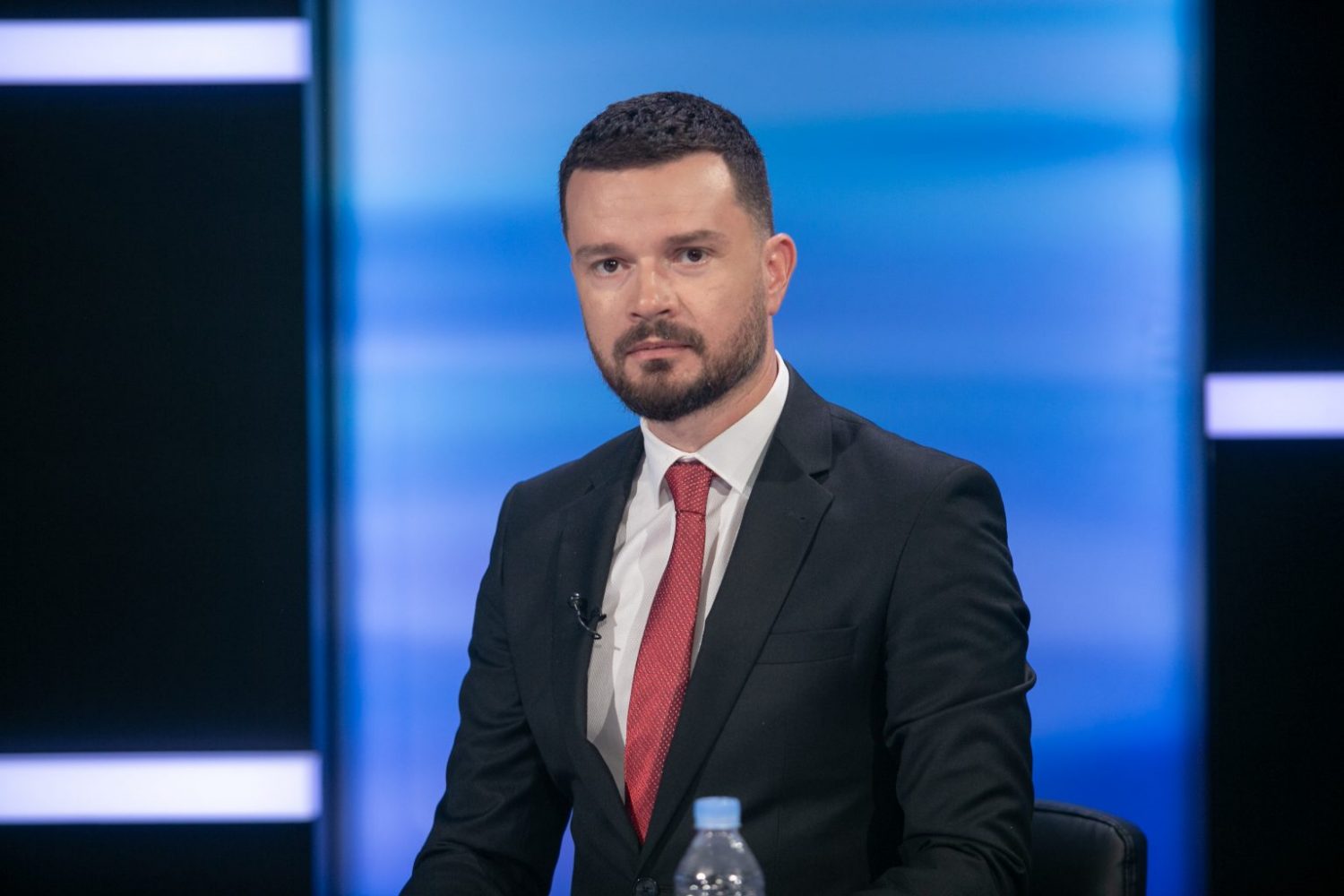
The electoral reform and the possibility for citizens to directly elect their representatives became part of the debate on the program “Top Story”. Analyst Arian Curri highlighted the link between politics, campaign financing and economic interests, comparing how influence mechanisms work in the United States with the political reality in Albania.
“In the United States of America, what we call corruption here is called lobbying. Look at who raises the most money during the campaign, wins”, Curri said. Referring to the situation in the country, the analyst argued that large businesses do not necessarily have reason to worry about the outcome of the elections, since their economic interests can continue to be guaranteed by those in power.
“They don’t have a problem with who wins, because they will still get the tenders”, he stated. Asked by Grida Duma whether he sees any concrete movement in the positions of political parties on electoral reform, Curri expressed skepticism about their willingness to change the system.

According to him, the parties may use each other as an argument to avoid responsibility, while the majority may find reasons not to see the requested change through to the end. “I see that both parties will say: not the other one. PS says we’ll give you 100 percent, we need 101 MPs. They will find a justification”, the analyst said.
In conclusion, Curri shifted attention to the role of citizens, raising as the key issue the possibility that voters impose a change in the Albanian political class. “The question is whether our democratic people will have the power to overturn this political class. I hope it will happen”, Curri concluded.