







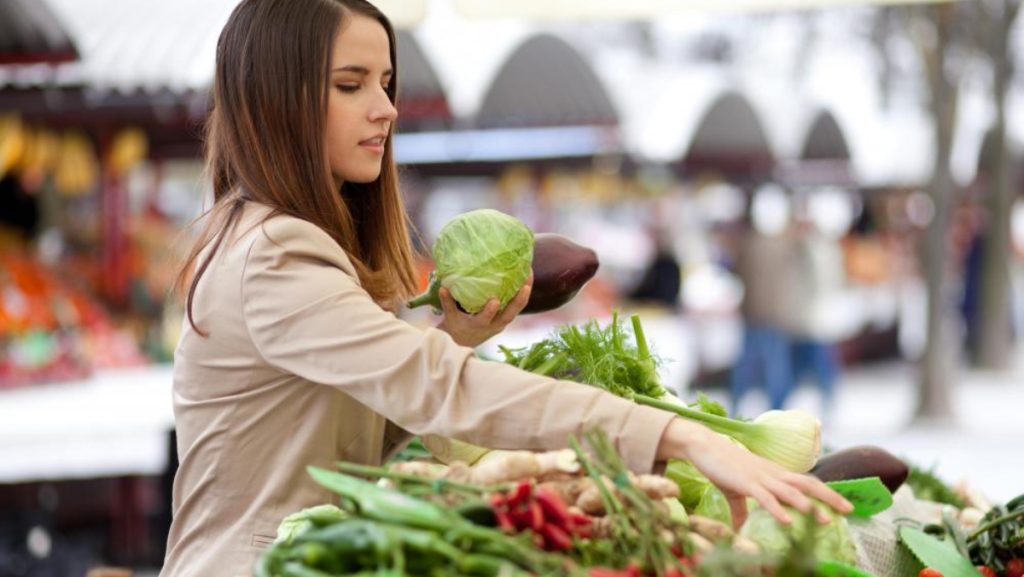
Albanian families spent 39.8% of their budget on food and non-alcoholic beverages during 2025, while in the European Union this category accounted for an average of 13.2% of household consumption. Data from INSTAT and Eurostat show that the difference between Albania and the EU in the structure of expenditure reflects two different levels of welfare.
The country is accelerating efforts for membership in the European Union, but food expenditures in Albania remain far from the European average, although the latter is not mentioned as part of this comparison in the above data. The structure of Albanian household consumption remains very far from the European one, with food accounting for the largest part of Albanian families’ budget, while European families have more room for other expenditures.
In economics, this relationship is explained by Engel’s law, according to which, as income rises, the share of food in the budget decreases, even when the amount spent on it increases. In Albania this is not happening, as although we may have more income, we remain poor, according to the analysis of expenditure structures.

The logic of these expenditures follows psychologist Abraham Maslow’s hierarchy of needs, according to which people first try to secure the basic needs for survival, such as food and shelter, and only after these needs are met is more room created for safety, social relationships, esteem and personal development.
When income is limited, most of the budget is used for food and other essential needs, while as welfare increases, the weight of these expenditures decreases and families have more opportunities to spend on entertainment, culture, travel and improving the quality of life.