







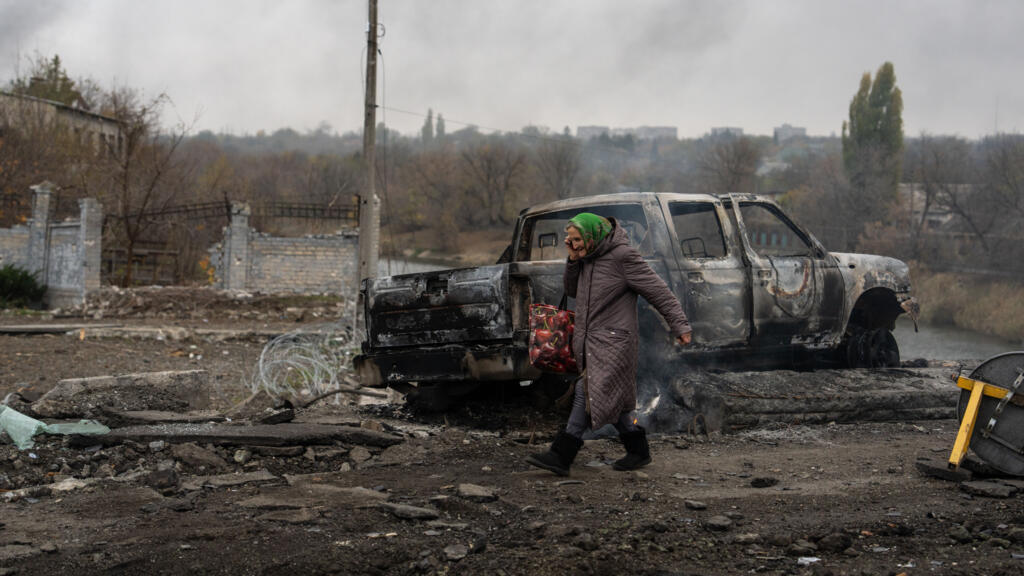
US-brokered talks between Russia and Ukraine are expected to begin in Abu Dhabi, with Europe also sending representatives, alarmed by a proposal from US President Donald Trump for an agreement with Moscow on European security. Europe and Ukraine have expressed fear that the United States will impose on Kyiv an agreement that would amount to a de facto capitulation, especially as Trump appears to be leaning toward Moscow this year. Previous talks have produced no progress, and the process has been sidelined by the US-Israel conflict against Iran.
Russia’s invasion of Ukraine has caused hundreds of thousands of deaths, displaced millions and has continued for 56 months, with no sign of the Kremlin backing down. Trump has suggested that Ukraine will have to give up territory, stating that it “will end with a somewhat different form, Ukraine”. Russia occupies large areas of Ukraine and demands that Kyiv hand over the parts of the Donetsk region it still controls, threatening to continue its offensive. Ukraine, which for more than four and a half years has resisted a much larger army at great human cost, has ruled out such a withdrawal.
On the eve of the talks, Russia intensified its attacks, carrying out one of the deadliest strikes, in which Kyiv reported 55 killed in a village on the front line while they were waiting for humanitarian aid. Ukrainian President Volodymyr Zelensky said the intensified attacks were part of Moscow’s strategy to “exert pressure on Ukraine’s position” in negotiations. Vladimir Putin, who launched the war in February 2022, has repeatedly rejected offers of a broader ceasefire and face-to-face talks with Zelensky. Trump’s son-in-law, Jared Kushner, and special envoy Steve Witkoff will bring the warring parties together in Abu Dhabi for the first time since February, when negotiations were held in Geneva.

Hopes for peace are low after several rounds of failed talks. A senior Ukrainian official said there were “no particular expectations”. Trump last week spoke of a “very big deal” that would “include all of Europe”, fueling fears that Washington would cooperate with Moscow on a new European security architecture. This has raised concerns in European capitals, with German Foreign Minister Johann Wadephul warning against Moscow’s “maximalist demands” and a “show of negotiations”. Zelensky has warned of a “Yalta 2.0”. Representatives from the United Kingdom, France, Germany and Italy, as well as officials from NATO and the EU, will hold separate talks with Kyiv, while the Kremlin insists on “trilateral” negotiations.
Taken from France 24 Live News