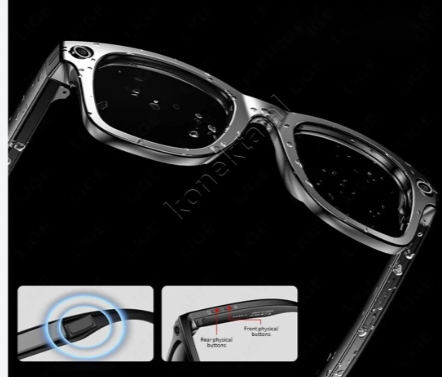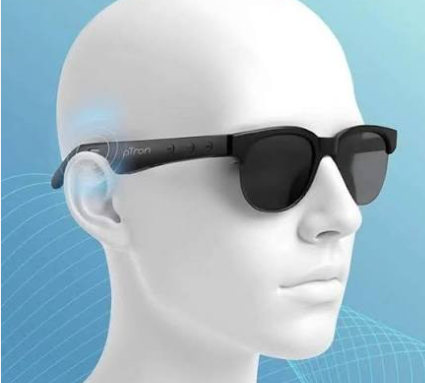
Neither glasses, nor shirt buttons, nor personal items will escape inspection! South Korea has introduced unusual security measures for the national university entrance exam, after a scandal in which a candidate used hidden cameras and artificial intelligence to obtain answers.
More than 550,000 candidates are expected to sit the exam this Thursday, at around 1,300 centers across the country. To prevent any attempt at cheating, authorities have drawn up an extraordinary inspection plan, which includes details that have attracted the attention of international media.
Candidates wearing glasses will have to place them on the table before the exam begins, so that invigilators can verify whether they are smart glasses with cameras or other hidden devices. Clothing buttons will also be covered with adhesive labels, to prevent microscopic cameras from being concealed. Candidates will also be asked to roll up their sleeves, while collars and clothing will be carefully checked.

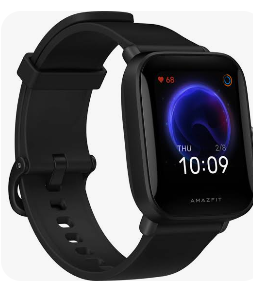
The measures do not stop there. Mobile phones, smart watches, smart glasses and any other electronic device with a camera will be strictly banned. Bags and personal items will be left outside the exam halls, while in cases where there are suspicions of hidden devices, invigilators will also use metal detectors.
Another unusual measure is the activation of a national alarm via mobile phones. Authorities plan to send an emergency notification that will make phones ring across the country for about 10 seconds. In addition to warning candidates to hand in their devices, this measure is also intended to detect phones that may have been hidden in exam halls.
But what forced the government to take such strict measures?
The cause was a recent scandal in a national exam for tax accountants. A 34-year-old, who had achieved the highest score, admitted to using a hidden camera to photograph the questions, a mobile phone and generative artificial intelligence tools to obtain the answers. His unusual results had raised suspicions, and the case has caused strong reactions in the country.
After this incident and other cases of using smart glasses to cheat in exams, authorities have decided to significantly strengthen checks. Around 8,400 additional invigilators will join existing staff at exam centers, while international companies providing artificial intelligence services have agreed to cooperate in investigations into suspected cheating cases.
Punishments are also expected to become harsher. According to Prime Minister Han Seongsook, people caught cheating may be barred from taking exams for a period of up to 10 years, up from one year under the current measure. Students who are enrolled in universities and are caught cheating during the exam to gain the right to study at another institution also risk expulsion from the university where they are currently enrolled.
In South Korea, the national exam known as “Suneung” is considered one of the most important moments in young people’s lives, as the results can significantly affect their future academic and professional opportunities. Its importance is so great that on exam day, work and stock market trading hours are also changed to ease traffic, while flights are temporarily suspended during the English listening test.
This year, however, the challenge is not only the candidates’ academic preparation, but also the authorities’ ability to prevent a new form of cheating, in which technology can become an invisible tool for obtaining answers.