







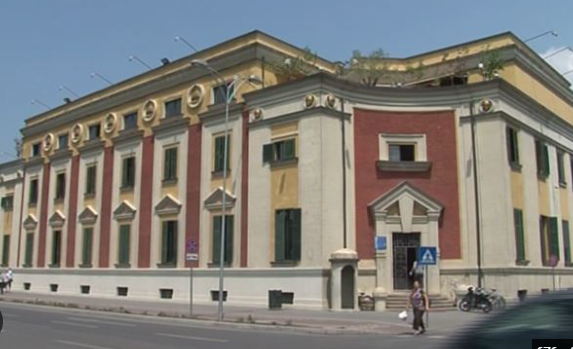
Amid daily protests, the race for mayor of Tirana is unlikely to remain merely a vote on administering the capital. It risks turning into a political referendum on central government and on Prime Minister Edi Rama himself.
For the PS, losing Tirana would be a severe political blow. The capital is the country’s largest electoral center, and a loss there would be interpreted as a sign of weakening central power. Rama will do everything to find a candidate who can win the race and stop this signal.
But the result will not depend only on the PS candidate. The opposition’s choice and that of the protest itself will also be decisive. If opposition parties manage to support a joint candidate, emerging from the civic movement and credible to protesters, the race could take a different direction.

Such a candidate would need to unite citizens beyond parties, embody the demand for change and present a convincing program for Tirana. But the candidate’s name is not enough: agreements, organization and a clear message to citizens are needed.
If the opposition appropriates the protest or turns the candidate into the representative of a single party, it risks losing exactly the support that could make the race competitive. If, on the contrary, protesters and parties build a common alternative, Tirana could become the biggest political test for Rama.
This race will not be only about the municipality. It will also be a vote on trust in the government, on the strength of the opposition and on the protest’s ability to turn civic anger into a political alternative.