







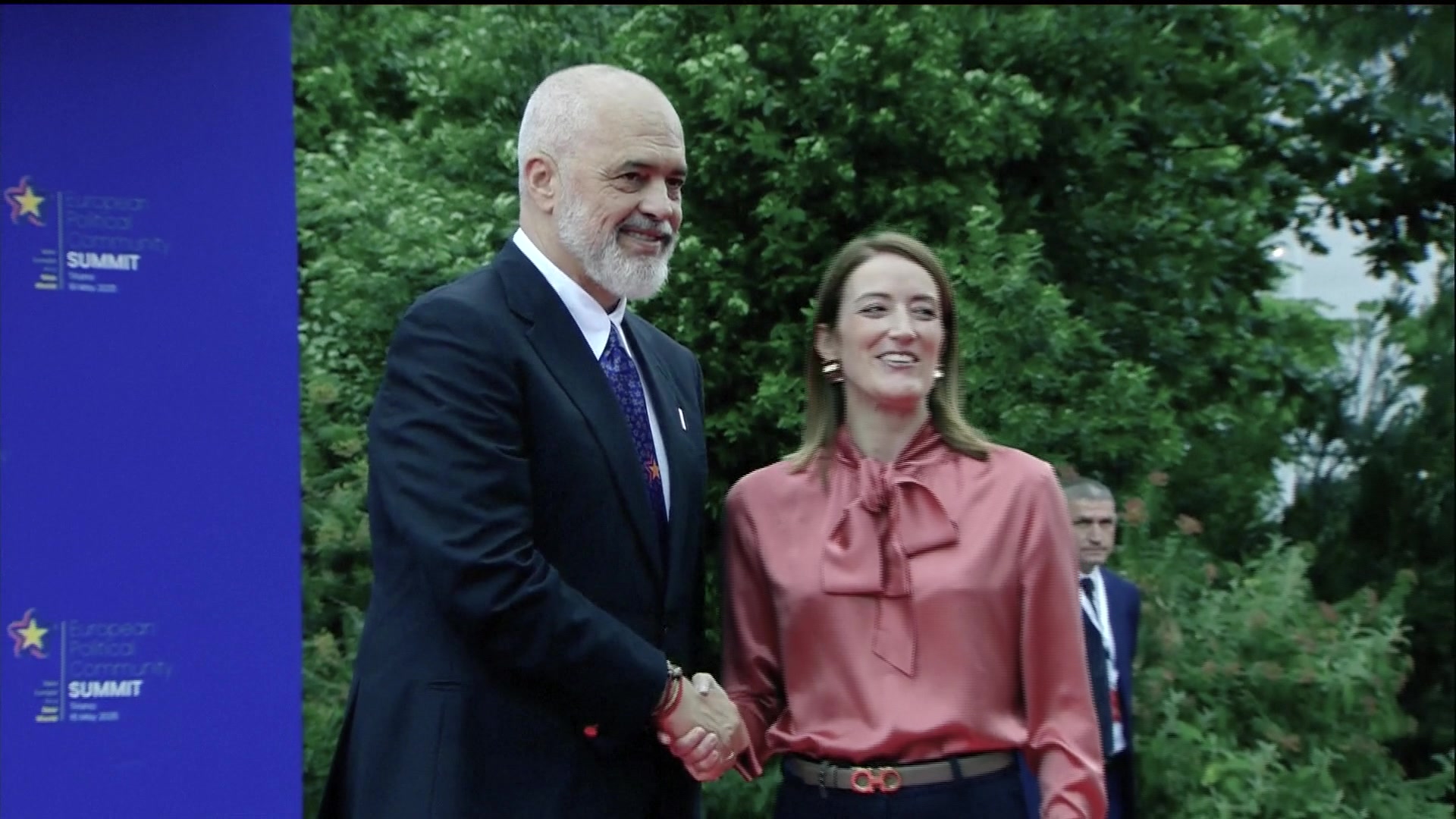
”Albania is advancing rapidly towards the EU, but progress in accession negotiations has not been matched to the same extent by the consolidation of institutions and the resolution of problems related to corruption, organised crime and the functioning of democracy”. This is one of the main findings of an analytical study by the European Parliament, which examines the progress of Albania and Montenegro on the path towards EU membership. The document ranks Albania among the frontrunner countries of the Western Balkans in the integration process, assessing political commitment, justice reform and alignment with European policies. However, the analysis warns that the opening and closing of negotiating chapters does not automatically guarantee compliance with the standards required for membership.
The 2027 objective and the challenges of negotiations
Albania aims to complete technical negotiations with the European Union by the end of 2027. According to the analysis, this objective requires not only maintaining the current pace but also tangible results in the implementation of reforms. After the start of negotiations in July 2022, Albania managed to open all six clusters during the 2024-2025 period. In May 2026, the interim criteria for the “Fundamentals” cluster were met, while in July the provisional closure of the first three chapters was recorded. Despite these developments, European institutions require that formal progress be translated into concrete changes in the functioning of the state.
SPAK is praised, but the EU seeks more results in the fight against corruption
A significant part of the document is devoted to justice reform and the institutions created by it. The 2016 reform, including the vetting process, is considered one of the most important interventions in the Albanian justice system. Meanwhile, SPAK and the National Bureau of Investigation are praised for investigations into high-level corruption and officials with political influence. But the analysis stresses that investigations and criminal proceedings must be accompanied by more final judicial decisions. Another problem remains the recovery of assets obtained from criminal activities, while protection of law enforcement institutions from any form of political influence is required.

Political polarization and the administration, problems that require solutions
Beyond justice, the study turns to the functioning of Albanian democracy. Persistent political clashes, concentration of power and weaknesses in institutional oversight mechanisms are presented as factors that may hinder democratic consolidation. Concerns are also raised about media independence and guaranteeing political pluralism. In public administration, the analysis highlights the politicization of appointments, the lack of professional capacities and frequent staff turnover. According to the document, Albania must guarantee more transparency and meritocracy in recruitment, especially for leadership positions, and improve interinstitutional cooperation for the integration process.
Albanians support the EU, but seek better governance
One of the most positive points of the assessment concerns the European orientation. Albania is assessed for its alignment with EU foreign policy, including its stance on Russia and support for restrictive measures after the aggression in Ukraine. NATO membership and Euro-Atlantic orientation are also considered factors that make Albania a reliable partner. Public support for integration remains particularly high. Balkan Barometer surveys cited in the analysis show support levels exceeding 80–90 percent. However, the desire for EU membership does not necessarily imply satisfaction with the way the country is governed. In this context, the document also mentions the June 2026 protests against a development project in Zvërnec, known as the “Flamingo Revolution”. Initial concerns about the environment, transparency and public property expanded into demands for institutional accountability and respect for democratic standards.
Over €200 million from the Growth Plan, but reforms remain a condition
Albania’s participation in the Single Euro Payments Area, SEPA, creates opportunities for easier and lower-cost transfers for citizens and businesses. Meanwhile, the European Union’s Growth Plan for the Western Balkans provides for financial support directly linked to the completion of reforms. According to figures presented in the analysis, Albania has completed 21 of the 41 planned reforms and has benefited from just over €200 million, out of a potential fund of €922 million for a three-year period. This means that access to other funds depends on fulfilling the remaining commitments.
European Parliament’s message: Integration is not measured only by closed chapters
The analysis presents a two-sided picture of Albania: on the one hand, a country that has significantly accelerated its path toward the European Union and, on the other, a state that continues to face significant institutional problems. The fight against corruption, tackling organized crime, judicial independence, professionalization of the administration and media freedom remain among the main tests that Albania must pass. The conclusion is that the speed of negotiations may bring Albania closer to the EU, but membership will be determined by the real results of reforms and the ability of institutions to function independently and sustainably.