







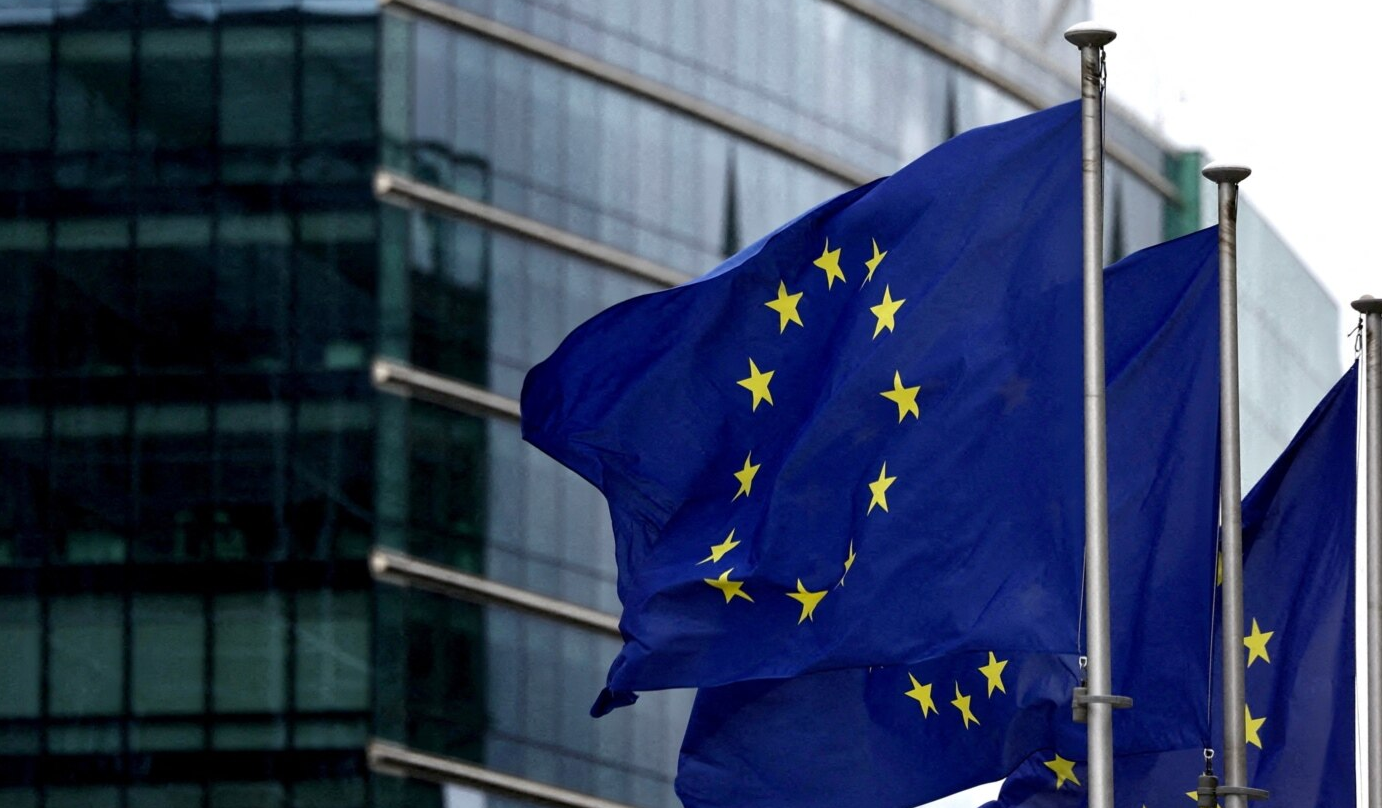
Serbia “most likely” will not align with the final declaration of the EU-Western Balkans summit, because the acting president of Serbia and speaker of parliament, Aleksandar Čupić, will not attend the meeting. Senior EU officials involved in preparations for the summit, to be held on Wednesday, November 25, in Brussels, made this known.
The final declaration states, among other things, that glorifying war criminals, denying genocide and historical revisionism are not in line with the EU’s core values. Countries in the region are asked to cultivate respect and solidarity toward all victims, and to respect the decisions of international and domestic courts on war crimes.
Čupić took office last week after being elected speaker of Serbia’s parliament on November 19. He simultaneously serves as acting president of the country, after Aleksandar Vučić resigned in September when he decided to run for prime minister.

EU expresses understanding for Čupić’s absence
Diplomats in Brussels expressed understanding for Čupić’s decision not to attend the summit. This summit was the first opportunity for the winners of October’s elections in Serbia to take part in a European meeting at the highest political level. Officials involved in summit preparations assessed that Čupić’s absence is understandable given the political transition in Belgrade. They added that they view relations with the incoming Serbian authorities with optimism. EU officials confirmed that the president of the European Council, António Costa, had had a “very good conversation” with Čupić. The latter had informed Costa that the decision not to attend the summit was related to “urgent developments” in Serbia’s parliament. According to these sources, during the phone call, the two agreed to meet at the “first possible opportunity.” That meeting is expected to discuss Serbia’s rapprochement with the European Union, as well as the priorities set by the Student List – above all the fight against corruption and the rule of law. “In general, we view relations with the government and incoming Serbian authorities with great optimism,” an EU official said. The Student List scored a convincing victory over the Serbian Progressive Party (SNS) in Serbia’s October 25 elections and, with 140 MPs, secured an absolute majority in parliament.
What does the EU expect from Serbia’s new leadership?
According to European officials, EU member states will expect from the incoming authorities in Belgrade the same thing they demanded of the previous government: the rule of law, a clear strategic orientation and progress in the dialogue on normalizing relations with Kosovo. Alignment with the EU’s common foreign and security policy, including sanctions, remains Brussels’ ongoing demand of Belgrade.
According to EU data, Serbia continues to have the lowest alignment rate in the region – around 59 percent. However, European officials express understanding for the fact that new authorities need time to consolidate and that they are focused on domestic issues and the rule of law. The European Commission has long assessed that the third cluster in Serbia’s accession negotiations is technically ready to be opened, but member states have not yet reached agreement on this.
“The rule of law, the fight against corruption, media freedom – all of these will help restore a degree of trust among member states,” a European source said, speaking about the possibility of unblocking Serbia’s EU accession negotiations.
The EU expects the formation of institutions in Serbia to continue dialogue with Kosovo
As for dialogue with Kosovo, the EU, it seems, does not plan to organize any meeting at the leaders’ level before the formation of new institutions in Serbia. EU officials confirmed that the EU’s foreign policy chief, Kaja Kallas, is ready to call a high-level meeting, but that “stable institutional partners” are needed for this. “It will take some time before Serbia has a government, and then we will continue discussions,” an official said. Part of the summit’s final declaration is also devoted to the dialogue between Kosovo and Serbia. It emphasizes that the lack of progress in normalizing relations slows both sides’ path toward the European Union. EU leaders will seek the implementation of all agreements reached under the dialogue, warning that access to funds from the Growth Plan is conditional on a constructive approach to this process.
Second consecutive summit without Serbia
This is the second regular summit held in Brussels without a Serbian representative. In December last year, then Serbian President Aleksandar Vučić boycotted the summit in reaction to the failure to open the third cluster in EU accession negotiations. Even then, Serbia did not align with the summit’s final declaration. /REL/