







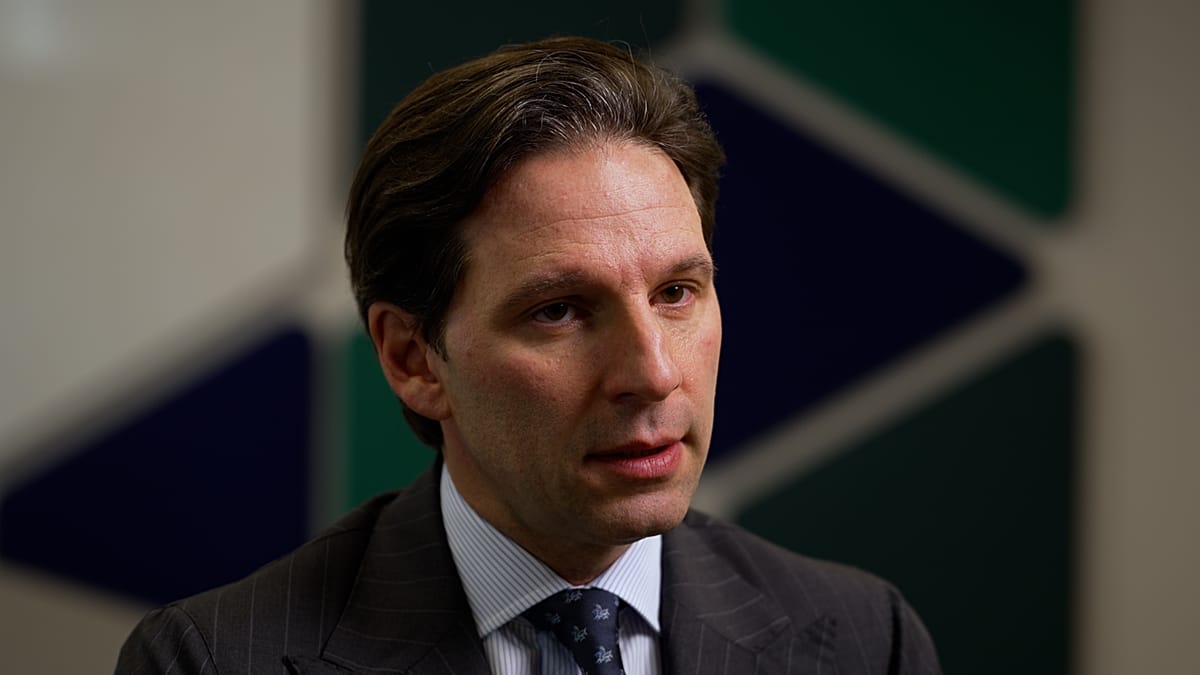
The European Union and Qatar are deepening cooperation in the field of defence. The new EU ambassador to Doha, Antonino Maggiore, stated that security is essential in the current geopolitical context. According to him, it represents a common interest for both sides.
He outlined the two main objectives of this cooperation: linking private defence industries through a new platform, and presenting the EU’s common defence industry policies to Qatar and the member states of the Gulf Cooperation Council (GCC). EU-Qatar defence cooperation aims precisely at these two directions, according to the ambassador.
He gave these statements in an interview at the start of his mandate in Qatar. According to him, the EU and Qatar are organising a seminar on defence technology and artificial intelligence in Doha on 3 December. The aim is to create a platform where the European defence industry works together with Qatari counterparts and, if possible, with those from GCC countries as well.

According to Maggiore, the seminar will also give the European Commission the opportunity to present plans for a common European defence industry. He will also discuss possible future partnerships with countries outside the bloc. The ambassador stressed that the EU is debating how to explore the possibility of strengthening partnerships with third countries in the defence sector as well.
This would be done especially through the new multiannual financial framework. He pointed out that the EU wants to build on existing defence partnerships between Qatar and individual European countries, including France, Italy, Spain and Germany. He added that his personal ambition is to see how the European Union can add value.
Defence talks come after an EU-GCC summit that had been planned for 24 October and was postponed due to ongoing tensions in the Persian Gulf. Maggiore acknowledged this obstacle, but stressed that both sides remain committed to strengthening relations. He stated that every crisis brings opportunities and that the postponement represents a missed opportunity.
However, according to him, it does not mean a delay in the objectives and urgency of strengthening relations. He added that there is a mutual desire between the European Union, Qatar and the GCC. As evidence of the continuity of diplomatic engagement, the ambassador cited the recent visit to Doha by the EU Special Representative for the Gulf, Luigi Di Maio.
He assessed that more can be done on concrete cooperation projects. Maggiore also praised Qatar’s role in mediating between the United States and Iran. He said the EU wants to support Doha’s efforts to ease regional tensions.
He mentioned a recent phone call between the EU High Representative for Foreign Affairs, Kaja Kallas, and the Prime Minister of Qatar, Sheikh Mohammed bin Abdulrahman Al Thani. The ambassador also dwelt on efforts to reopen the Strait of Hormuz, where restrictions on maritime transport have hindered global trade.
He said the EU and Qatar share the same position on freedom of navigation along this waterway. He summed up the EU’s stance by saying there should be no tolls or taxes on freedom of navigation. Regarding Gaza, Maggiore acknowledged that there are divisions among EU member states over the conflict and called this a challenge for the Union.
He added that the EU remains committed to humanitarian aid and diplomatic efforts to end the crisis. ## Seminar in Doha and economic links The ambassador also said he wants to see closer economic ties, particularly in transport. He confirmed that European Commissioner for Transport Apostolos Tzitzikostas will visit Doha for the upcoming Doha Forum in December, to discuss connectivity with Qatar and other Gulf partners.
He described connectivity as a pillar for promoting and expanding economic links. The EU is also working on an initiative called Connect EU, which aims to bring European businesses together with Qatari companies. As two priorities he hopes to advance over the coming year, Maggiore mentioned visa liberalisation for Qatari citizens and negotiations for a strategic partnership agreement.
According to him, easing travel would help strengthen ties between people in Europe and in Qatar. The proposed strategic partnership agreement would provide a broader framework for cooperation, on which he hopes to see progress within the next year. The ambassador stressed that there is a need for a framework and pointed to the political will of both sides to strengthen the partnership.