







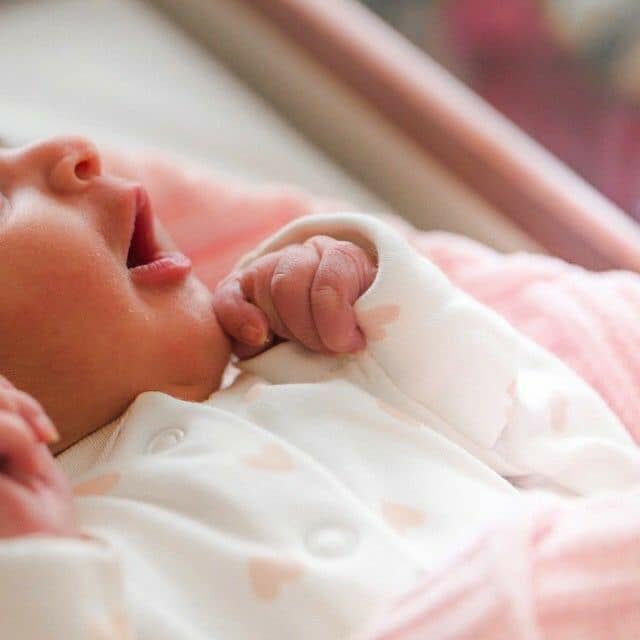
Emigration on one side, social and economic insecurity on the other… by September, 729 fewer babies were born compared with the previous year. Data from the Institute of Statistics show that the number of births fell from 16,745 last year to 16,016 in the nine-month period January–September.
In 1990, and even in 1992, Albania recorded around 90,000 births per year. Today it does not exceed 26,000 births. This shows the scale of the change Albanian society has undergone. Families are smaller, couples are increasingly postponing the moment of starting a family, and the decision to have children is influenced by many economic and social factors.
Tirana is the county with the highest number of infants, while Korça recorded 220 more deaths than births.
“It has become very difficult for a young family to decide to have children without thinking long about the future. Expenses are numerous, from housing and food to childcare, kindergarten or schooling. Even if you want a larger family, in many cases economic conditions force you to think differently. I think many young people today are postponing starting a family precisely because they do not feel secure,” citizens say.

As the country faces dramatic levels of population decline, instead of 40,000 lek for the first child, 80,000 for the second and 120,000 for the third, from 1 July next year the state will pay money every month from the moment of birth until the baby turns one.
“When we talk about the fall in births, we should not see this merely as an individual choice of couples. It is a phenomenon directly linked to how society is organized and to the conditions in which young families live. A couple facing insecurity in employment, high living costs, difficulty securing a home, and insufficient child services naturally thinks longer about the decision to have a child. Therefore, under these conditions, the role of the state becomes more important than ever,” says Eris Dhamo, sociologist.