







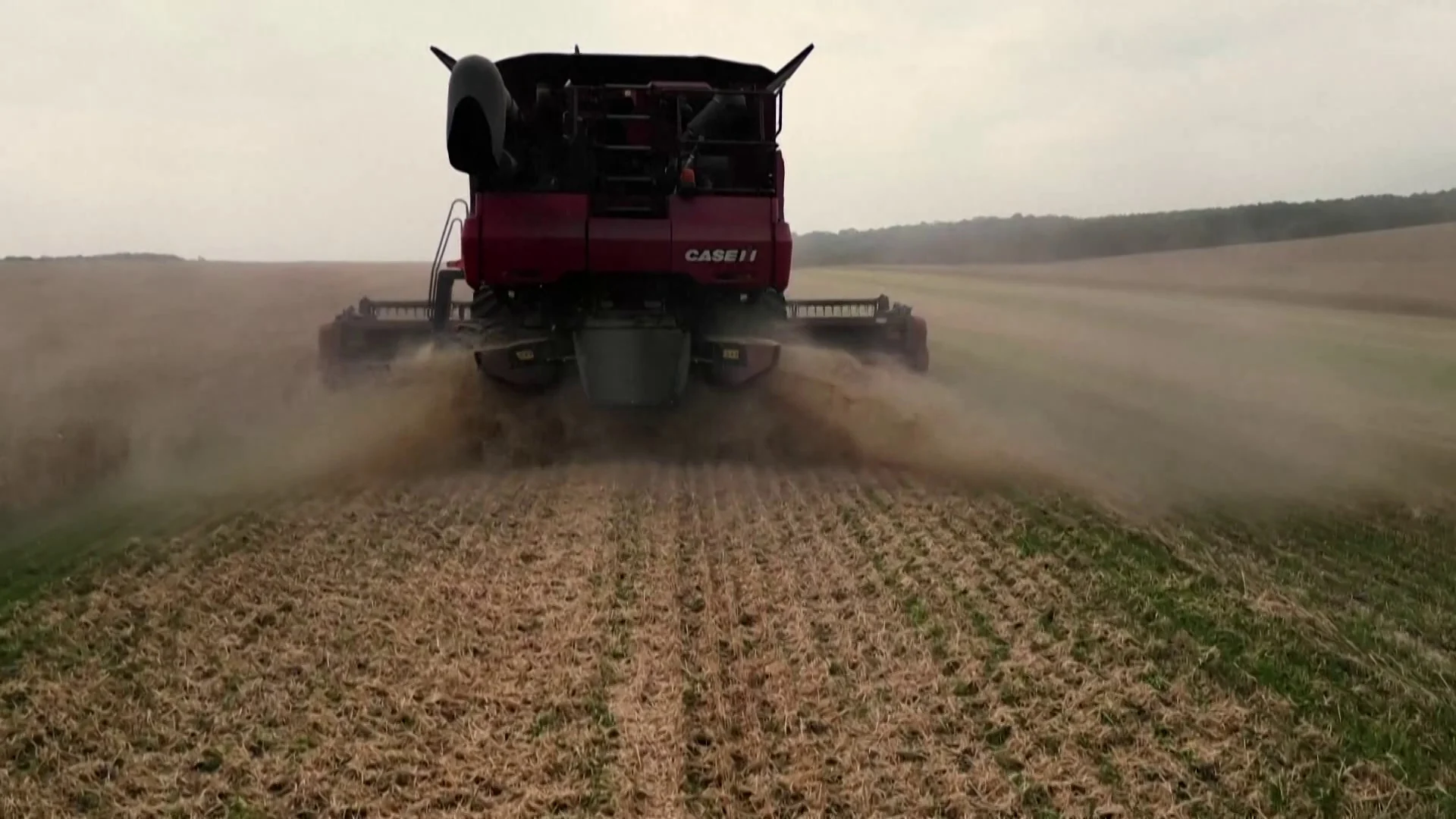
The use of low-quality flour in bread production and the addition of colorants to make white bread look like dark bread are among the issues raised by cereals expert Abdyl Sinani, who has 40 years of experience in this sector.
According to import data, Serbia ranks first in the amount of cereals supplying the Albanian market. More than 60% of the wheat imported for human consumption comes from this country. However, Sinani stresses that the concern is not related to the origin of the wheat, but to the quality of the raw material chosen by Albanian factories.
He explains that some traders prefer wheat with a low gluten and protein content, as it is cheaper on the international market. This flour, although mainly intended for the production of cakes and biscuits, is also used for making bread. To improve its appearance and rising, according to the expert, additives are added.
Another concern relates to dark bread. Sinani claims that in some cases producers use white flour, to which they add colorants to give it the characteristic color of dark bread, instead of using natural flour with bran.

The expert also raises questions about the storage conditions of wheat and flour imported from Serbia. According to him, storage in inadequate conditions can favor the formation of mycotoxins, which pose a risk to health and require laboratory analysis.
Sinani also warns of the risk of a disease known as “potato disease”, which can appear when flour is not processed properly. He mentions cases recorded in Lushnjë and Berat.
In conclusion, the expert calls for stricter controls and continuous analysis of the wheat and flour imported into Albania, also questioning the effectiveness of oversight by the institutions responsible for food safety.
The expert’s claims require verification through official controls and analyses.