







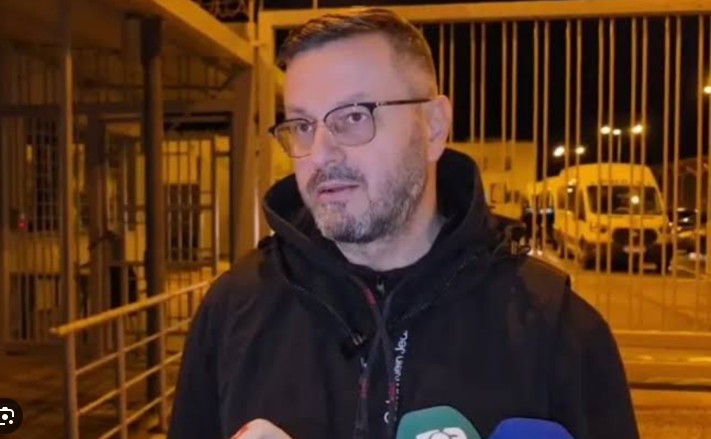
Lawyer Plarent Ndreca says that his meeting with his client, Erion Veliaj, has been refused without any legal basis. This is a serious violation that cannot be treated as an ordinary administrative problem. The right to meet with one’s lawyer is an essential part of the right to defense. No prison directorate can suspend it with an unexplained decision.
The question is direct: who barred the lawyer and on what legal basis? The Prison Directorate must show whether an order exists, who signed it and what legal grounds it contains. If there is no such decision, then we are dealing with arbitrary obstruction and responsibility must be sought from those who ordered or implemented it.
The suspicion that this is being done for political revenge is extremely serious. It cannot be declared as fact without evidence, but neither can it be buried in silence. When a lawyer claims that he is being denied a meeting with his client, institutions have a duty to verify the case urgently and make the findings public. Silence only fuels the suspicion that the law can be used as an instrument of pressure.

If lawyers of other detainees are allowed to meet their clients, while Veliaj’s lawyer is refused entry, the administration must clearly explain this double standard. The law cannot change according to the name of the detainee or his political beliefs.
The Ombudsman, the prosecutors handling the case and the Fier Prosecutor’s Office must immediately verify who made the decision, what documentation exists and whether the rights of Veliaj and his lawyer have been violated. If the obstruction was carried out without legal basis, it must end and those responsible must be held accountable.
The prison is a state institution, not the private property of the director. Its gate cannot be used to block the defense or to send political messages.