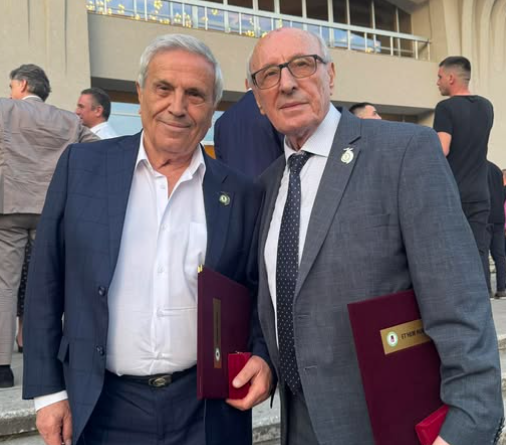
Namik Dokle and Ethem Ruka remain two emblematic icons of the PS. They, through their name and tireless work, once gave the PS a good reputation among the public. Meanwhile, the years have flown by and they are no longer active participants in politics, but they write, create and leave works of high caliber as a legacy to generations.
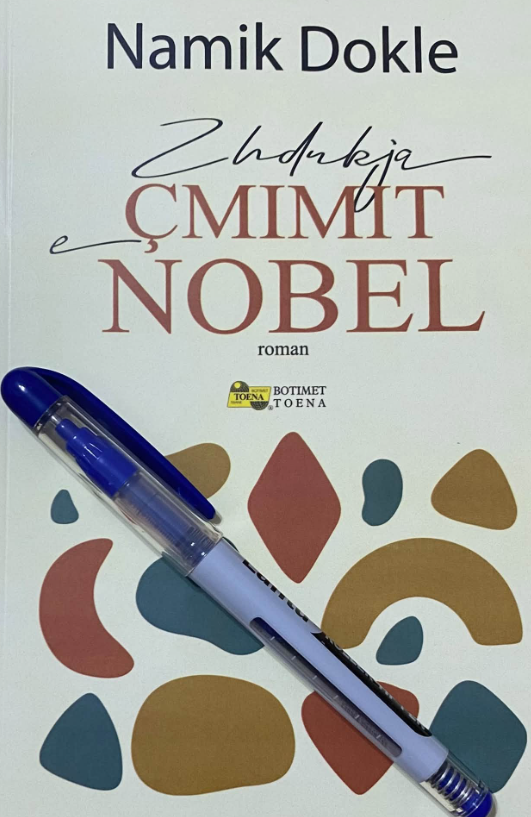
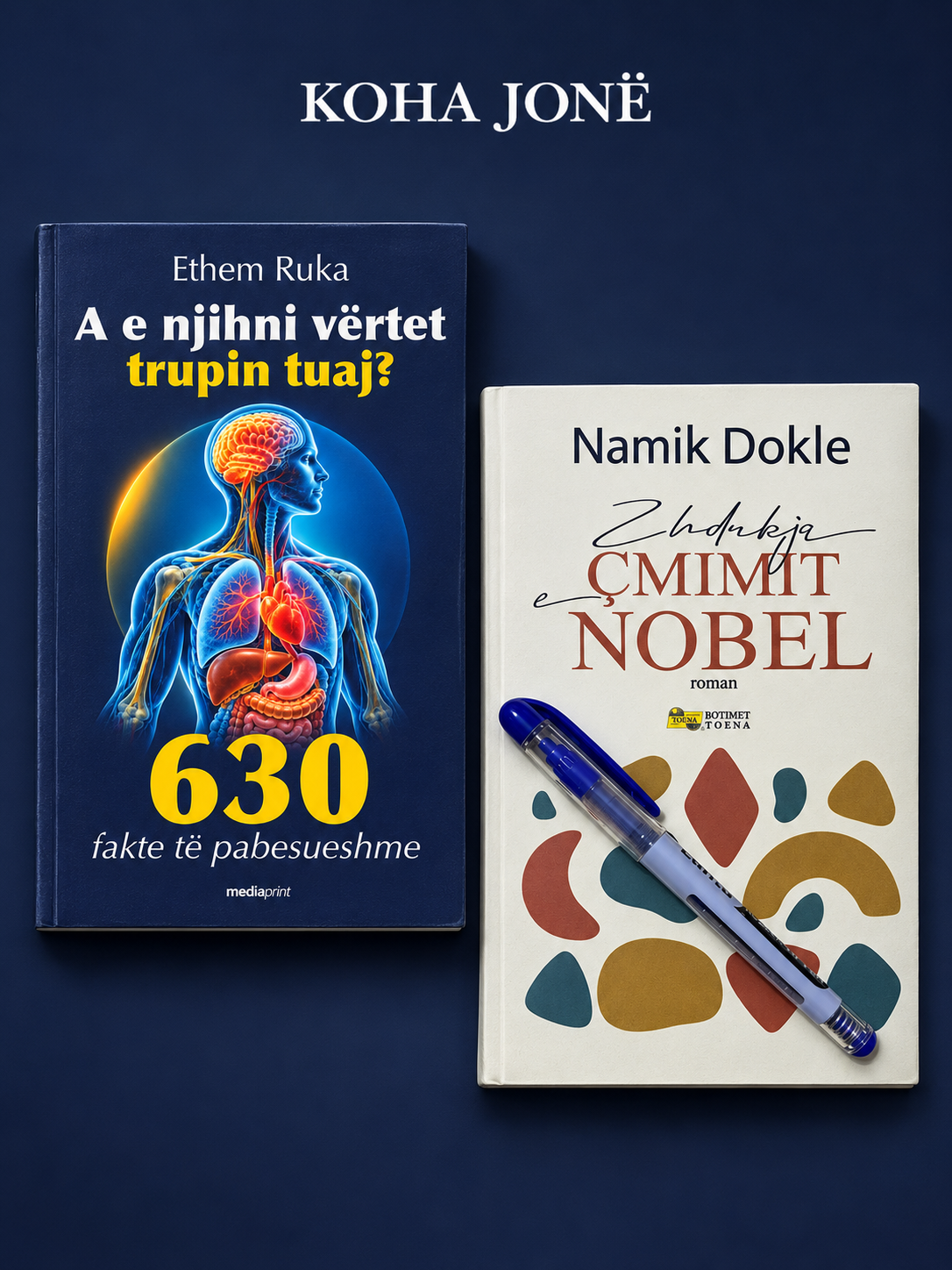
Namik Dokle today promoted his book “The Disappearance of the Nobel Prize”, while Ethem Ruka has announced his new book titled “Do You Really Know Your Body?”.
Meanwhile, as we said above, today Namik Dokle promoted his book.
Meslumas, the city that welcomed those violently expelled from their homelands, has won the Nobel Peace Prize.
But one cold March morning, from this city, two shocking reports arrive at the State Prosecutor’s Office. A girl and a boy have disappeared without leaving a trace. On the same day, the Nobel medal also goes missing, over which senior officials had been quarreling among themselves about who the prize belonged to.
Thus begins the latest work by writer Namik Dokle, which in fact refers to the city of Kukës, which sheltered thousands of Kosovo Albanians during the war.
“There are two planes. The first plane is the plane of the tragedy that occurred, which is conveyed by one of the characters, who kept a diary of this situation. The other plane is the plane of the disappearance of the Nobel Prize,” said Namik Dokle, the author of the work.

Through the narrative employed, the author reveals the provincial grotesque of bureaucratic officials, who quarrel over a “crumb of glory” without having any merit. The conviction that the mission of literature is not to write about generals, about heroes, but about the victims of history.
“The essence of the subject of this novel is honoring the victims of history and not those who beat their chests, as if they had liberated not only Kosovo but the entire world,” Dokle continued.
The novel encompasses many tragic and lyrical situations, sincere loves and marital betrayals, sublime honesty and hypocrisy, until in the end it reveals where the Nobel Peace Prize for Meslumas had ended up, inviting the reader to reflect on human values that remain beyond every prize and trophy.