







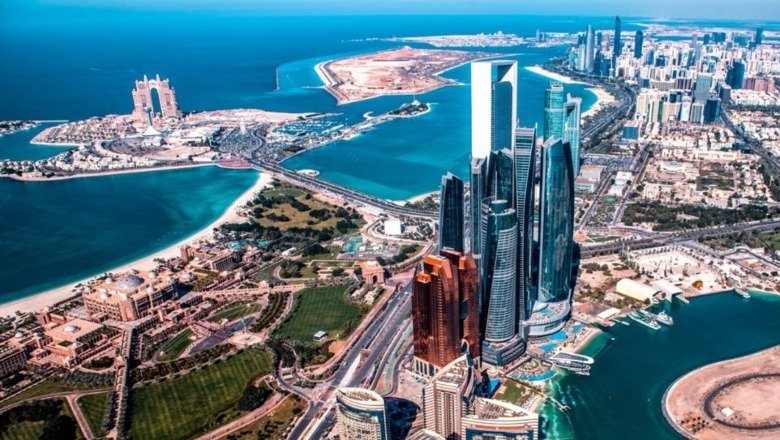
The United Arab Emirates, particularly Dubai, is seeing a significant shift in its stance toward harboring dangerous international criminals. After a long period serving as a safe haven, the authorities have launched a wave of extraditions, as a result of agreements and negotiations with foreign governments. This process, intensified around 2024, aims to remove the “new Tortuga” label for drug traffickers and fugitives from justice.
Only days ago, police arrested a person suspected of ordering a foiled assassination in Cyprus, linked to Eastern European organized crime. This follows other high-profile arrests, such as that of Endik, known as “The Voice” or “The Ghost”, godfather of the Greek-Russian mafia and a smuggling organizer, who was caught after years of searching. Another major case was the August extradition of Irishman Daniel Kinahan, leader of a powerful criminal clan, for whose capture the US had offered a reward.
According to sources at the “Wall Street Journal”, the Emirates have returned to their home countries 28 French nationals, 23 Belgians, 16 Albanians, around 12 Danes and Dutch nationals, as well as a group of Asian nationals and cyber fraudsters. Such operations have also led to the seizure of billions of dollars linked to online fraud, organized by individuals based in Dubai. Many crime figures had chosen the Emirates to invest, launder money or escape reprisals, buying luxury properties, as happened with members of the “DZ Mafia” from Marseille, whose apartments have already been seized.

The shift in the Emirates’ stance stems from several strategic reasons. The war has created a deep crisis, increasing the Emirates’ need for diplomatic support, including the ambition to appoint one of their female diplomats as UN Secretary-General. The handover of gangsters often serves as a political or economic “reward.” The Emirates have also made efforts to shed the label of a haven for criminals, by being removed from the grey list of countries with deficiencies in the fight against money laundering.
However, extradition processes remain lengthy and require technical negotiations. Some crime bosses, alarmed by this shift, are considering relocating to other countries. Despite progress, Dubai remains an important financial center for managing the assets of Iran’s Revolutionary Guard and Russian oligarchs under sanctions. The community of people wanted by justice remains large, as evidenced by the recent involvement of Mary Carol McDonnell, a 75-year-old American suspected of bank fraud involving tens of millions of dollars, who is believed to be in Dubai. Much remains to be done in this regard.