







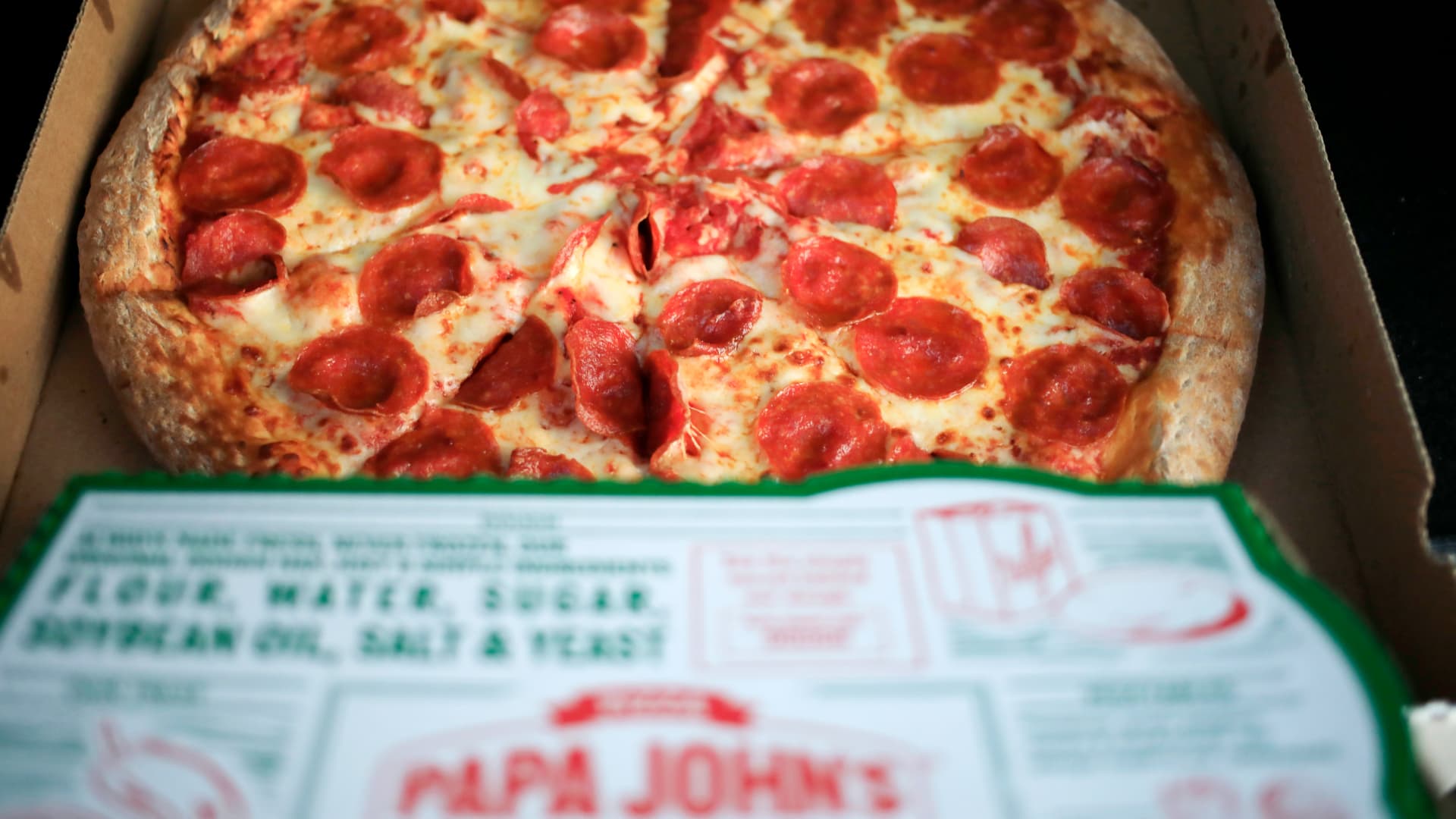
The large pizza chains are facing considerable difficulties, influenced by lower consumer spending, a wider range of dining options and the growing use of GLP-1 medications. While the pandemic was a boom period for brands such as Domino’s Pizza, Papa Johns, Little Caesars and Pizza Hut, the reopening of restaurants has brought a difficult battle to retain customers. Consumers today are more cautious with discretionary spending, but have more choices for ordering and delivery thanks to third-party platforms. Food quality and customer experience have also become key factors for those seeking value from restaurants.
As a result of “pizza fatigue” and broader challenges in the restaurant industry, the number of pizzerias in the US has fallen significantly. Since the peak of 83,035 locations in August 2019, more than 9,600 pizzerias had closed their doors by July 2026, according to Datassential data. In 2025, sales at US pizza restaurants recorded a decline of 0.3%, with independent pizzerias falling 0.4% and chains, which account for about two-thirds of total sales, seeing revenue contract by 0.3%. Papa Johns reported a 2.5% decline in existing-store sales in North America for 2025, while Pizza Hut posted a 5% decline in the US. Of the three publicly traded pizza chains last year, only Domino’s achieved annual growth in existing-store sales in the US, with an increase of 3%.
This decline has not been limited to consumer appetite. Since March 2020, Papa Johns shares have lost about two-thirds of their value. Even shares of Domino’s, the category leader, have risen only about 2% in the same period, compared with a gain of about 150% for the S&P 500. This year, Yum Brands sold Pizza Hut, giving up part of its portfolio with sales that had stagnated for about two decades. Competition has increased significantly, with third-party delivery platforms offering a wide variety of cuisines, forcing Domino’s and Papa Johns to compete with other fast-food chains such as McDonald’s and Chick-fil-A. Moreover, pizza has become more expensive, with an average large cheese pizza costing almost $17, making it less attractive to budget-conscious consumers.

Alternative options, such as frozen pizza, offer a convenient and cheaper solution, with retail sales of frozen pizzas rising 2.9% in the 52 weeks ending November 7. Convenience stores such as Casey’s General Stores have also attracted customers with low-priced pizza, taking market share from traditional chains such as Pizza Hut. Another challenge is the slow adaptation of large chains to changed consumer attitudes toward eating. For example, Papa Johns is the only one of the four largest chains to have tested a pizza crust with added protein, and only for one day at an Atlanta restaurant. The nutritional content of pizza, especially carbohydrates and fats, makes it less attractive to consumers using GLP-1 medications, which have seen a major increase in use. Spending at quick-service pizza restaurants has fallen by 22.2% for households using GLP-1 after six to eight months of medication use.
However, these difficulties do not mean an existential crisis for the pizza category. The total number of pizza servings has fallen only about 1% this year. Chains are trying to change this trend. In August, Domino’s launched “The Domino,” a customizable personal Detroit-style pizza, to attract individual consumers. In November, Papa Johns unveiled a new recovery plan, focusing on improving food consistency and restaurant operations. Meanwhile, Pizza Hut is offering holiday-themed food deals. As David Portalatin of Circana emphasizes, “Pizza is not going to disappear. The American consumer loves pizza.”
Source: CNBC