







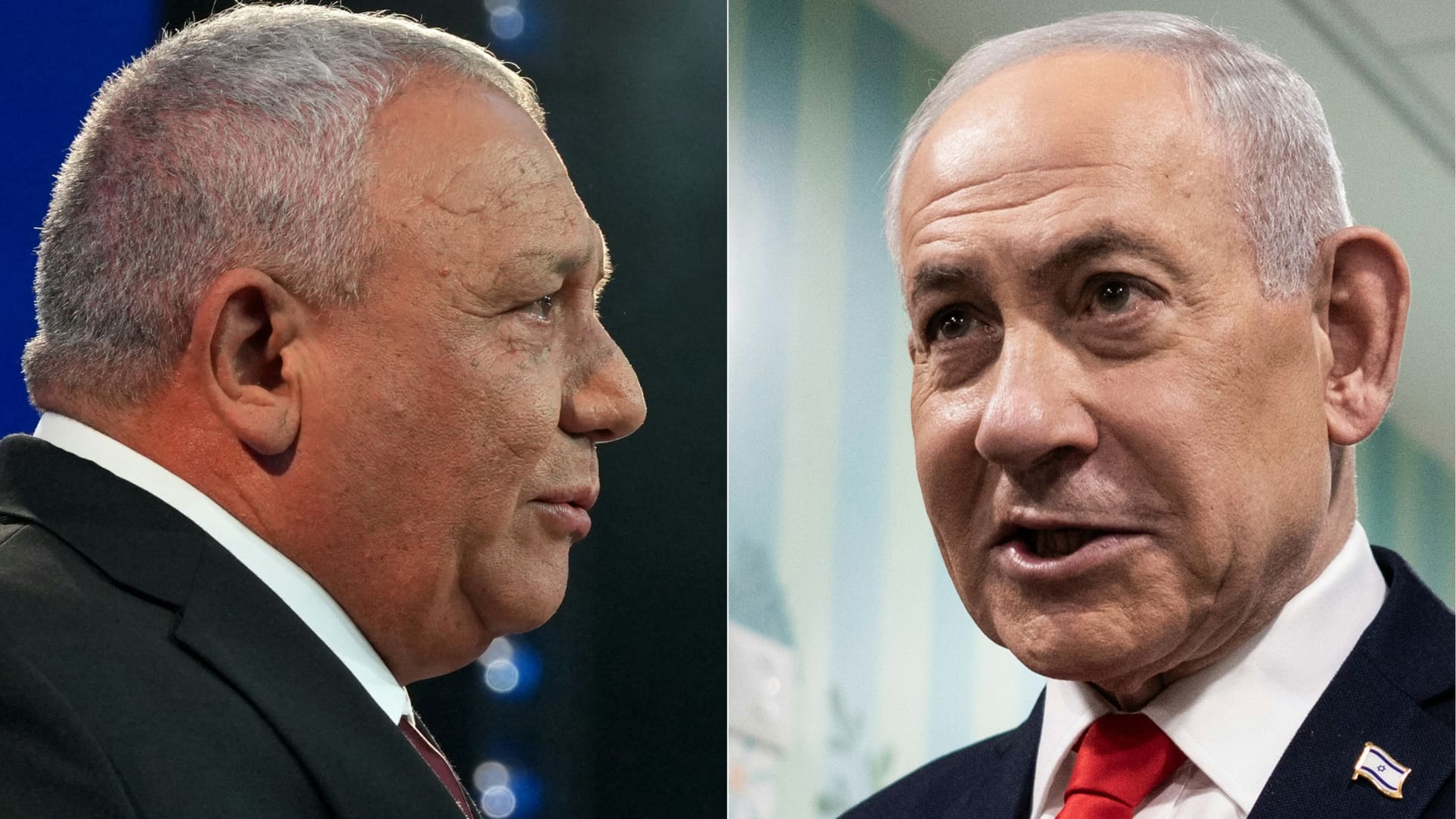
The final vote count in Israel has left the right-wing bloc of Prime Minister Benjamin Netanyahu and the opposition led by former military chief Gadi Eisenkot without the necessary majority of 61 seats to form a government. The result points to weeks of coalition negotiations and political uncertainty, with the opposition alliance facing a difficult challenge in assembling a majority government in the 120-seat Knesset.
Netanyahu’s Likud party and its right-wing allies won 53 seats, according to the Central Elections Committee, falling short of the 61-seat threshold and marking a decline from 64 seats in the 2022 elections. The main opposition bloc, led by Eisenkot, secured 48 seats, also short of a majority. Eisenkot’s path to forming a coalition is difficult, as most parties in his bloc have refused to rely on parties led by Arabs, while Eisenkot has stated that neither of them meets his conditions. The Joint List and Ra’am parties won a combined 19 seats, a record figure for Arab-led parties.
Netanyahu’s party has intensified claims that the Arab-led parties “stole” the election, amplifying an accusation that spread after exit polls were released. Likud said on Thursday, without evidence, that foreign interference “aimed to facilitate a foreign takeover of the Knesset, the Islamization of Israel and the overthrow of the right-wing government.” The statement came after Supreme Court Justice Noam Sohlberg instructed the Shin Bet security agency to investigate “serious suspicions” of improper influence through funding from foreign entities. Qatar, accused of attempting to mobilize Arab voters, has denied interference, calling the accusations “ridiculous and dangerous.”

Although the vote count has been completed, the results remain subject to “minor corrections” before they are certified and submitted to President Isaac Herzog next Wednesday. The new Knesset is expected to be sworn in on November 10, while parties have until November 18 to challenge the results. A prolonged political deadlock could leave Netanyahu in office as caretaker prime minister during coalition negotiations or potentially further elections. A return to war with Iran remains a key risk.
Israeli assets have been under pressure this week, with the shekel suffering its worst intraday decline since 2023. The main Tel Aviv stock index fell 4.1% for the week. President Herzog will begin consultations with parties next week and will appoint the leader he believes has the best chance of forming a majority government. Netanyahu may receive the first mandate to start the 28-day process of building a coalition, which can be extended by up to 14 days. If these efforts fail, new elections will be called, with Netanyahu remaining in office in the meantime.
Source: CNBC