







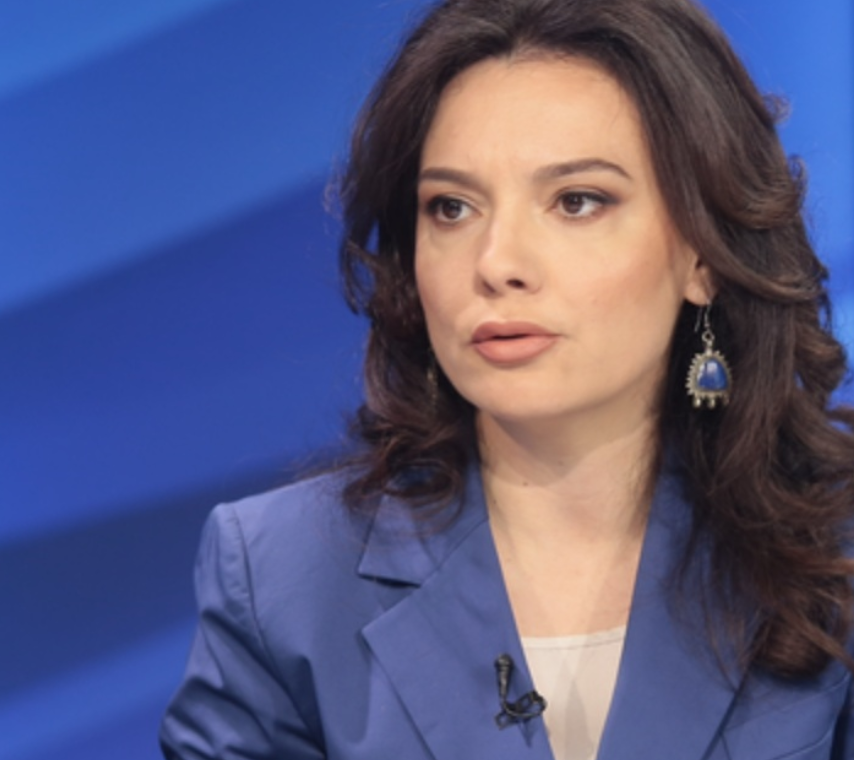
The debate between Blendi Fevziu and Elisa Spiropali highlights a problem that has long been visible within the Socialist Party: hugs and smiles before the cameras, then clashes, accusations and insults when interests change. They do not speak while in government, but as soon as they leave they start shouting.
Fevziu’s question to Spiropali — why she reacted only after being dismissed — touches the core of this hypocrisy. If a politician sees problems, why does she stay silent until they affect her position? And if the criticism is sincere, why is it not heard when the critic is still in power?
The case of Erion Veliaj and Belinda Balluku, who according to the debate once appeared close in public and later clashed, makes this climate even more visible. When relations within a party are built on momentary interests, political friendship lasts as long as the benefit lasts. As soon as the balance of power changes, yesterday’s allies turn into opponents.

This is not simply a matter of characters or personal grievances. It is a crisis of transparency and accountability. In a party where criticism appears only after dismissal, the public has reason to ask whether this is about principles or a battle for positions.
The Socialist Party must answer citizens: is there real space for internal debate, or do members speak only when they lose power? Because when silence is rewarded and sincerity begins only after leaving office, this is not a united political force. It is a stage where everyone waits their turn to speak — until it is their turn to lose. A politician preserves his dignity while in office too, not only when his seat is taken away and he starts talking.