







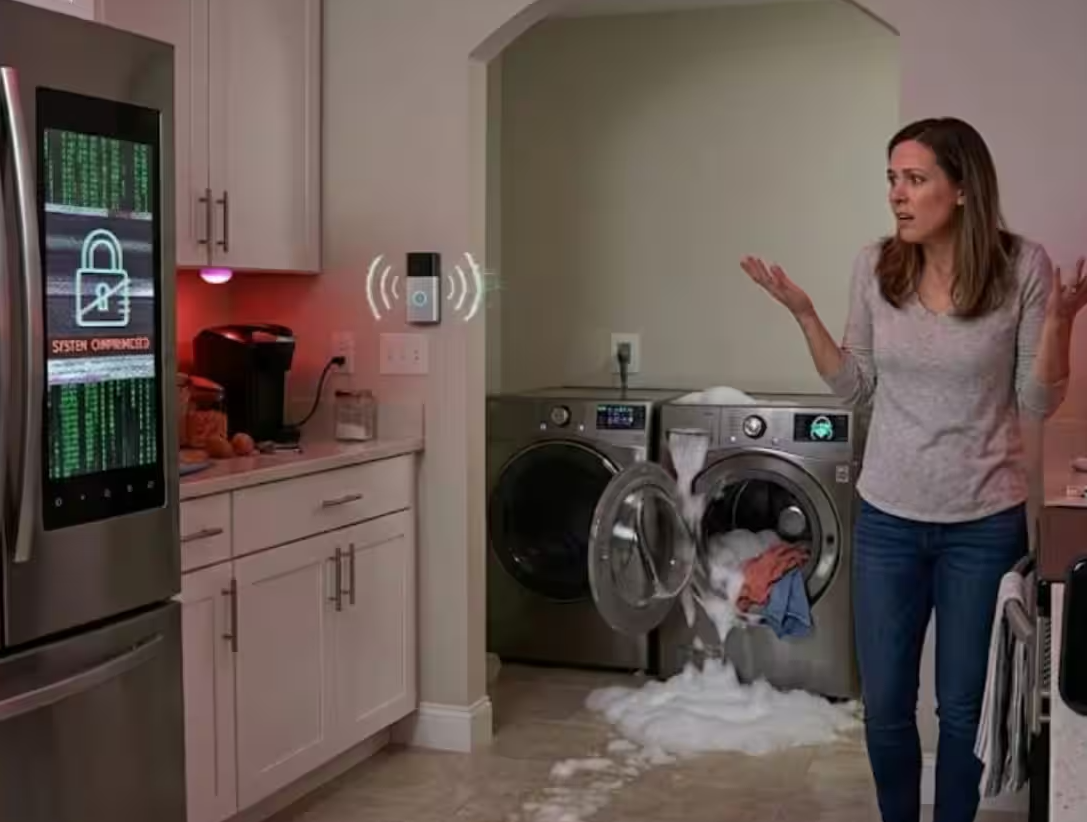
Refrigerators, cameras, security systems or the cars we drive may be more than devices that make our lives easier. In the internet age, they can also become targets of cyberattacks. A concrete example comes from France, where an attack on the cooling systems in supermarkets caused refrigerators to heat food instead of preserving it.
Up to 2,000 supermarkets are suspected to have been affected by the incident, causing major financial losses and the disposal of food products. The event has renewed concerns about the security of smart devices, which today are connected to the internet and can be controlled remotely. From heating systems and security cameras to smartwatches and cars, any connected device can create a possible entry point for hackers.
According to experts, breaching one device can create opportunities to attack other devices on the same network. However, Ciaran Martin, former head of the National Cyber Security Centre in the United Kingdom, stresses that the French case should not cause panic about all smart devices. He warns that the concern is particularly great for infrastructure and the functioning of critical services.

Modern vehicles also require special attention. Internet connectivity and digital systems can expose drivers’ personal data and privacy. However, according to experts, taking control of a car remotely remains very difficult. To protect themselves, regular device updates, strong passwords and enabling multi-factor authentication are recommended.
The attack in France showed that cyber threats no longer remain only in the virtual world. They can directly affect the economy, security and our daily lives. In a world where everything is becoming connected to the internet, device security has become part of our personal security.