







From January 2027, 54 food products are expected to benefit from a reduction in Value Added Tax (VAT), from 20% to 6%. However, to ensure that this measure is genuinely reflected in consumers’ bills, the government has begun monitoring prices at all links of the trade chain.
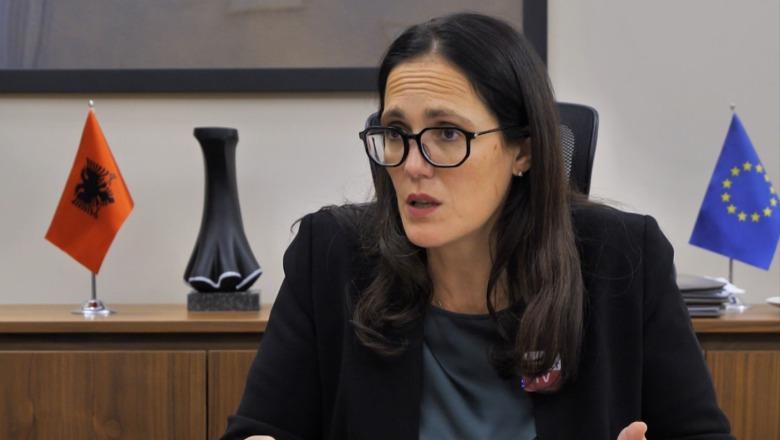
Economy Minister Delina Ibrahimaj said the monitoring will rely on the “Price Overview” platform, through which authorities can track price changes from supply and import all the way to final sale.
According to the minister, the aim is to identify the links where higher profit margins are applied or where additional costs are created, which may affect the price paid by consumers. “The platform specifically aims to bring transparency to food prices. Within it, not only consumer prices become transparent, but we also have reporting from the entire chain, from suppliers, importers and producers,” Ibrahimaj stated.
She stressed that this analysis will help identify problems and ensure that the tax reduction translates into real price reductions. Another control instrument will be fiscalized electronic invoices. Through them, institutions aim to document any unusual price increases before the reduced VAT takes effect. The government’s concern relates to the possibility that some businesses may raise prices in advance in order to lower them later, creating the impression that they are applying the effect of the VAT reduction.

“Our great concern is that businesses may engage in speculation by raising prices in advance, so that after 1 January, when the reduced tax takes effect, they can lower them,” the minister said on “Report TV”. Ibrahimaj noted that the verification process has already started, while invoices issued by traders will serve as the basis for comparing price developments.