







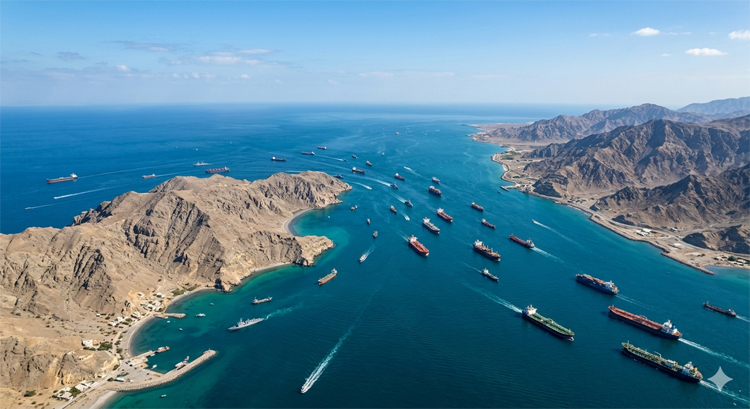
Tehran has put forward on the table a proposal to reopen the Strait of Hormuz within 48 hours and to resume nuclear talks with Washington. The condition is that the United States lift the naval blockade and ease sanctions. The proposal became public on Monday, November 2, while Qatar continues to mediate to end the conflict in the Middle East.
Washington has given no sign that it has accepted it. President Donald Trump had previously rejected Iran’s initial plan. He has said the talks have been productive and that the U.S. will not launch new strikes on Iran before the November 3 midterm elections, without ruling out further military action.
According to Reuters, Iranian negotiators left Doha after talks with Qatari mediators. A draft agreement is circulating between the parties, and another meeting is not ruled out. An official briefed on the negotiations said the departure of the Iranian delegation on Sunday was not caused by difficulties in the talks.

Iranian Foreign Ministry spokesman Esmaeil Baghaei said the negotiations are based on a seven-step plan that Tehran presented in September. The plan provides for reopening the Strait of Hormuz and ending the US naval blockade. Initially, implementation was expected within seven days, but Iranian authorities say the process could be completed within two days if an agreement is reached.
Tehran demands the lifting of the blockade on Iranian ports, easing of sanctions on oil exports, and a ceasefire that also includes Lebanon. According to the proposal, ships passing through the Strait of Hormuz must follow a maritime corridor agreed between Iran and Oman, under Iranian supervision.
Baghaei stated that no final agreement can be implemented and the strait cannot be reopened without the end of the US blockade and the addressing of Tehran’s demands.
China announced that it will send a special envoy to Iran, Oman and Saudi Arabia during the first half of November, aiming to reduce tensions in the region.
The Strait of Hormuz is one of the most important corridors for international transport of oil and liquefied natural gas. Navigation restrictions during the conflict have significantly affected energy supply and prices on world markets.