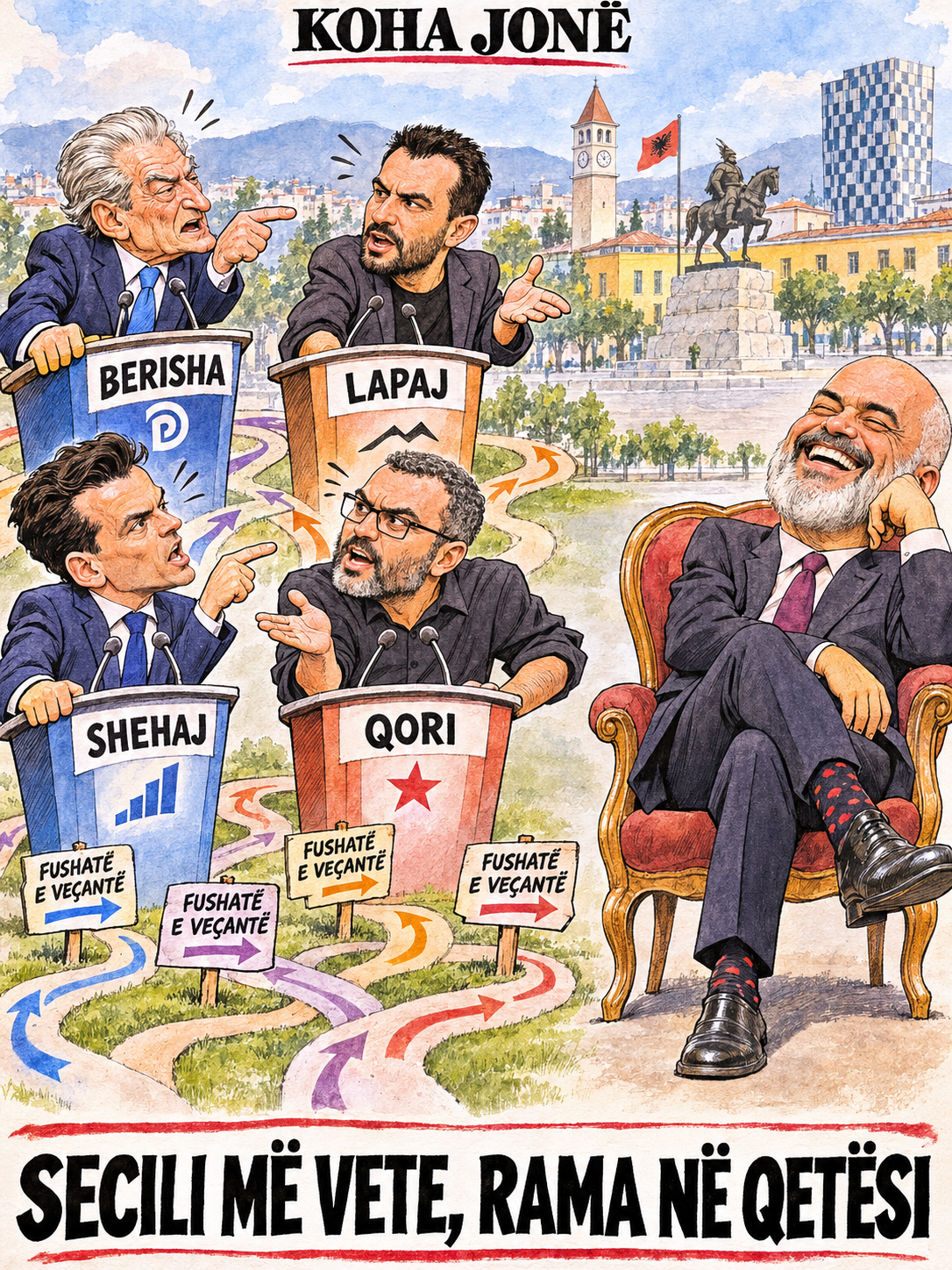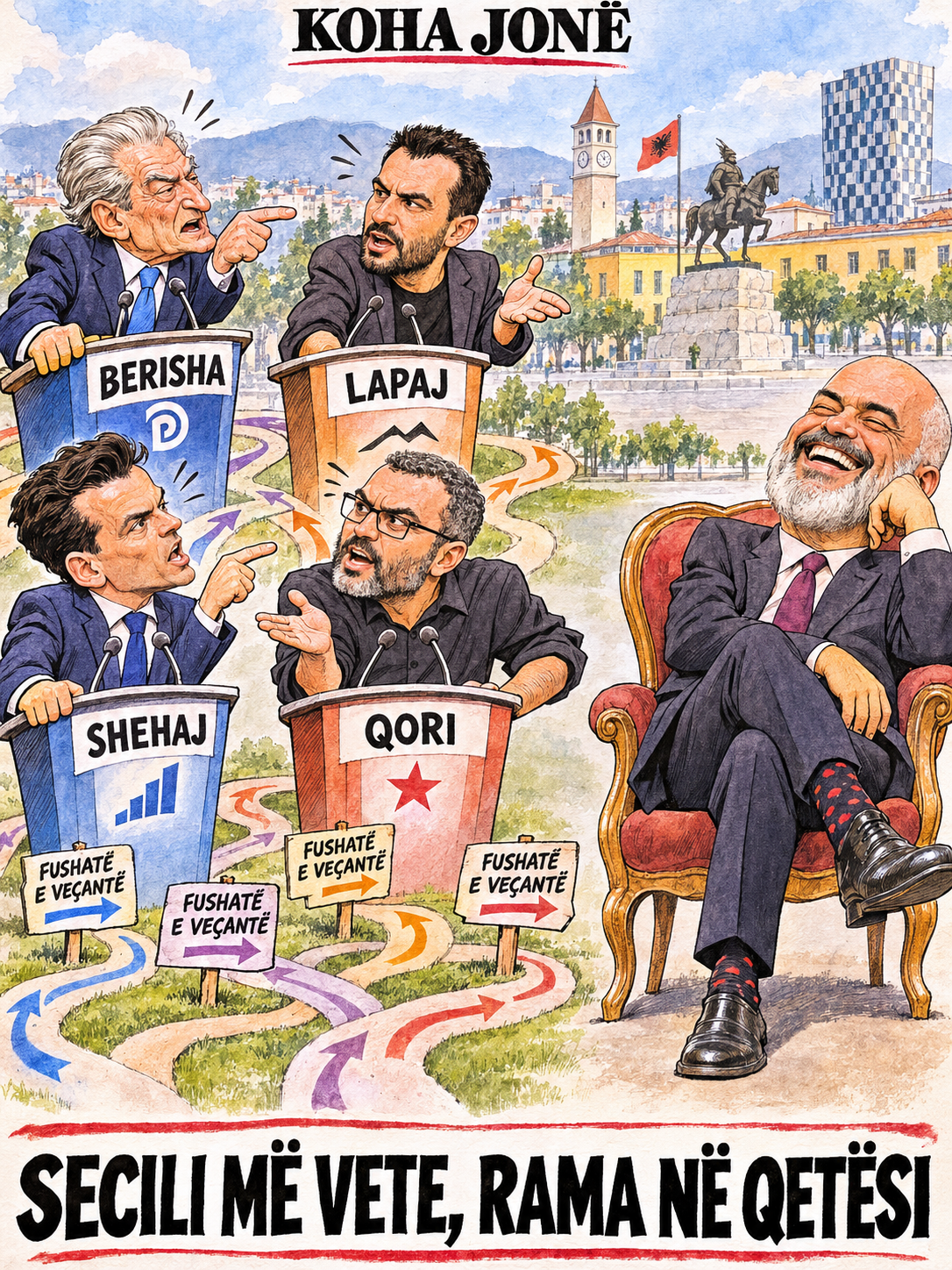
As long as his opponents in the opposition spend more energy excluding one another than building an alternative, the government has reason to feel calm.
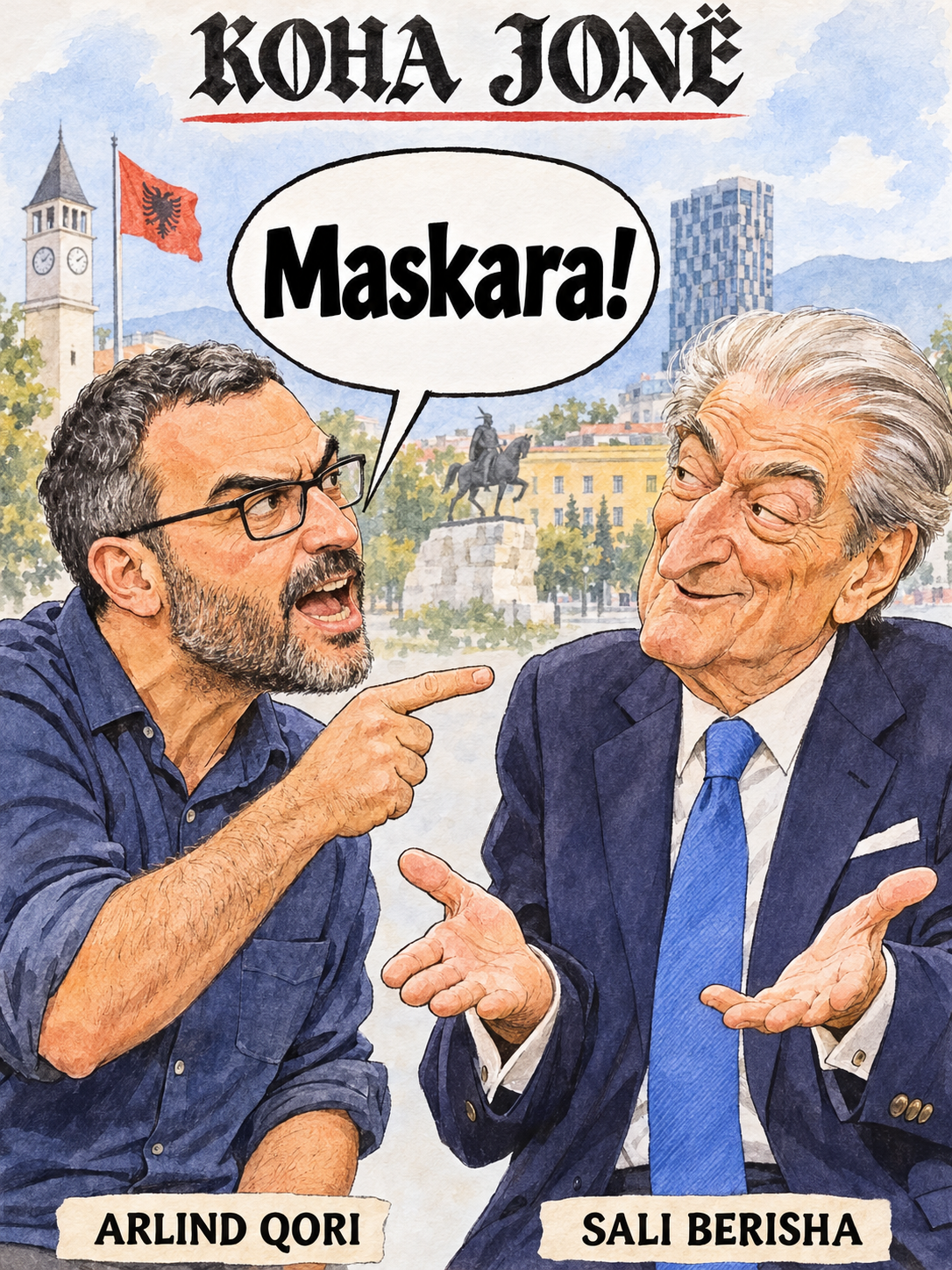
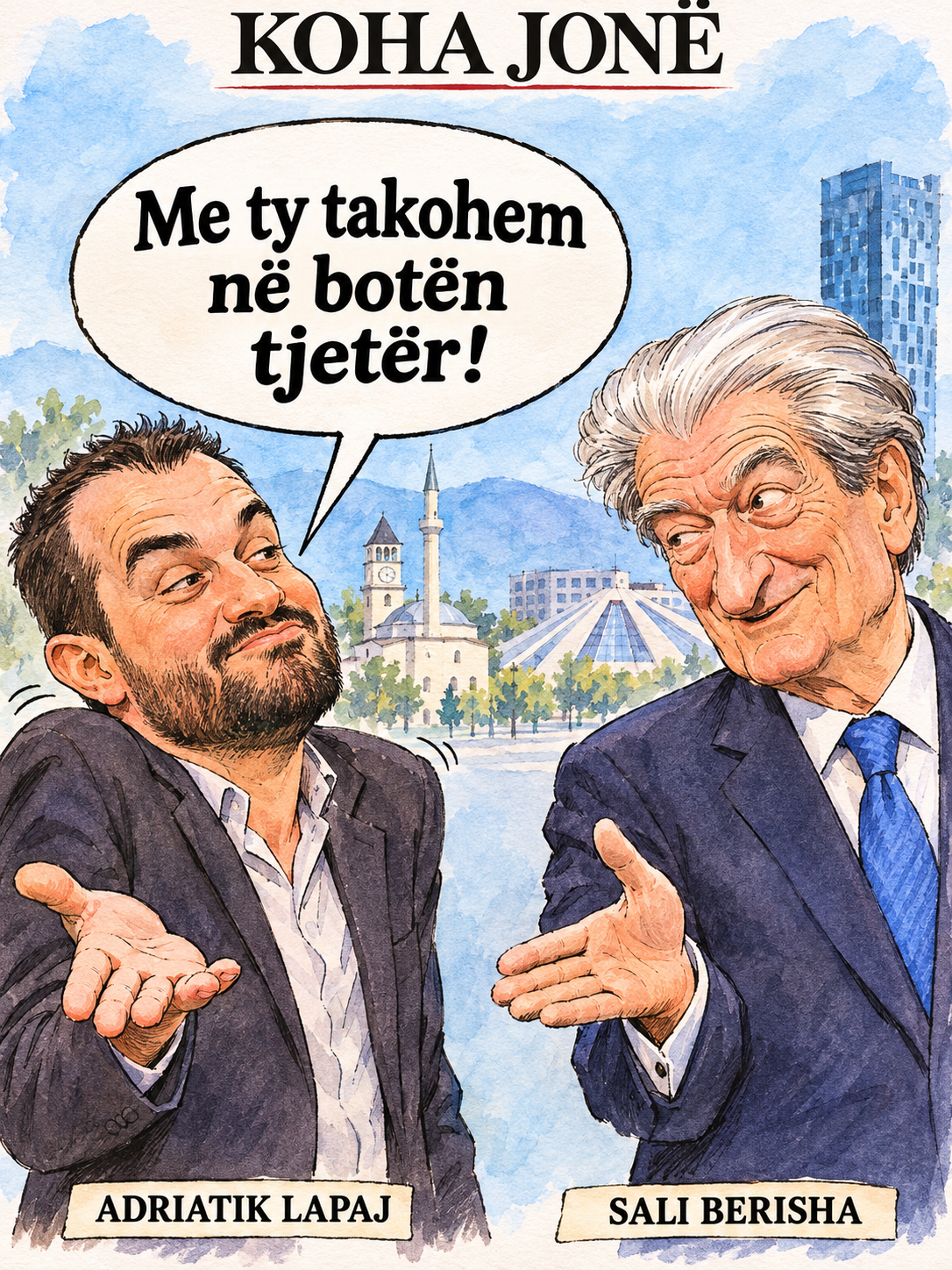
Berisha is calling for a common front, at least formally he has made this call in recent days. Qori and Shehaj oppose cooperation with him, though for different reasons. Lapaj is calling for an alternative beyond Berisha’s leadership. These positions show that the opposition has still not found even the minimal trust needed for a political agreement.
Lapaj has declared support for the candidacy of Florjan Binaj and openness toward proposals from students or protesters. So the problem cannot be reduced simply to each person’s individual candidacy. The problem is the lack of a common path that can produce a decision and accountability.
Everyone has the right to preserve their political identity. No one is obliged to enter a coalition they consider wrong. But citizens have the right to demand the answer that is missing: how will the government be defeated?

Saying “I will not cooperate with Berisha” is a position. Showing how a majority can be built without him is a political project. Qori and Shehaj must make this project clear. Refusal may be principled, but principle must be accompanied by a convincing path toward change.
On the other hand, Berisha does not complete his task by issuing a public invitation. If he seeks serious cooperation, he must create trust that the joint candidate will have real independence. A candidate beyond the parties requires rules that protect them from the control of any party, including the Democratic Party (PD).
Tirana cannot be treated as a test of strength between opposition leaders. Citizens expect an alternative for the administration of the municipality. So far, the debate over names risks drowning out the debate over governance.
Judicial investigations, protests and citizen dissatisfaction do not automatically turn into electoral victory. SPAK is not the electoral headquarters of the opposition. Protesters are not a reserve of votes for party leaders.
If an agreement is impossible, each side must explain what it aims to gain by running separately and what responsibility it takes for the outcome. It is not enough for the blame-shifting to resume after the elections.
The opposition does not need to pretend it is a happy family. It needs to show that it knows how to build an alternative that can govern. Otherwise, while each tries to win the debate against the other opposition figure, Rama may win the elections.