







After decree No. 9 for the 2027 local elections was signed, President Bajram Begaj gave his blessing to the country’s new territorial division, which was approved in Parliament without the opposition. The head of state signed off on the merger of 15 municipalities quietly, without announcing the decree publicly, simply by publishing it in the decrees category on the official website. In parallel, the Socialists have continued with their own project, reestablishing the Commission for Territorial Reform with a majority of members, to continue work on competencies, finances and regionalization.
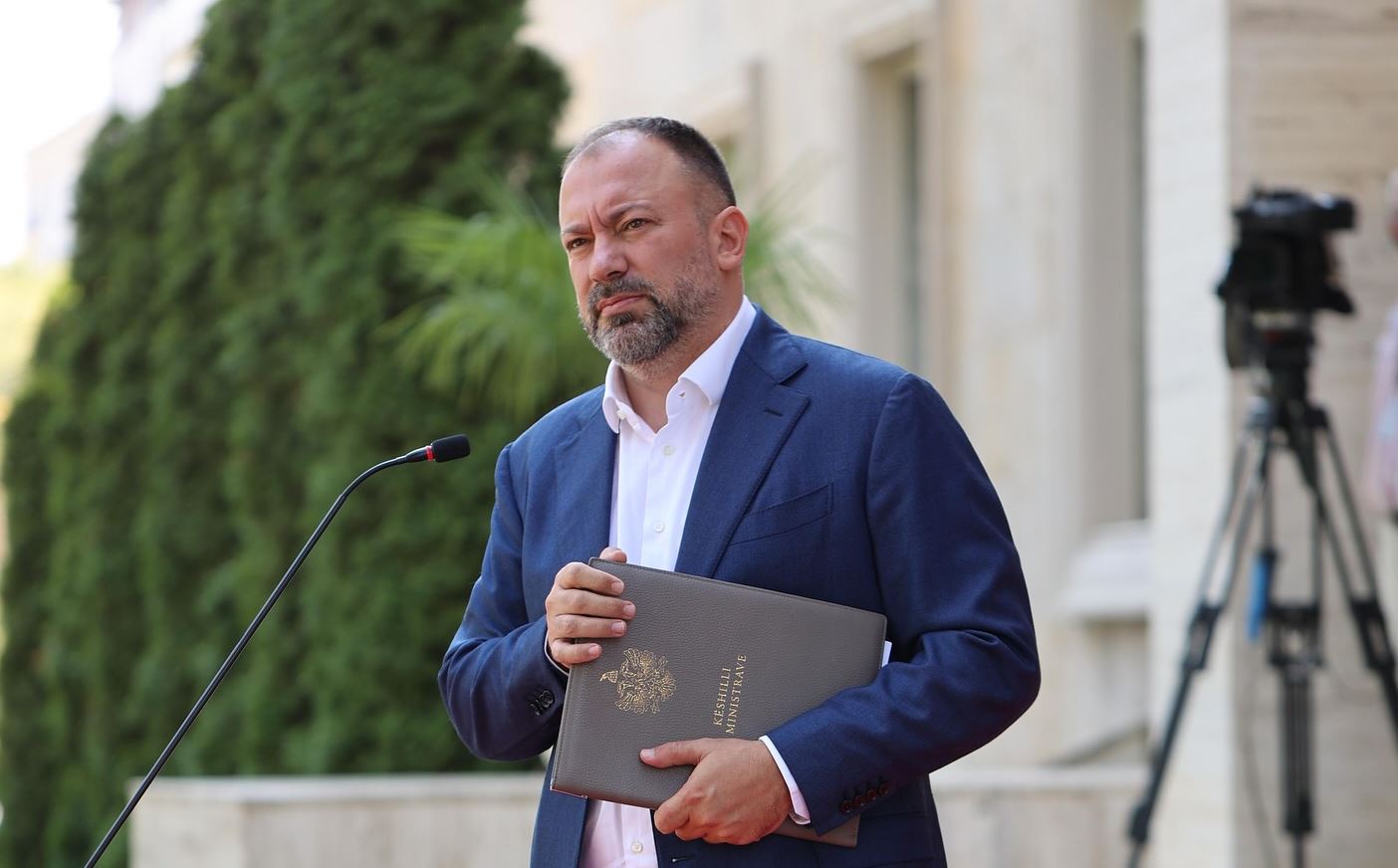
“We say: the municipality has these 10 functions. For these 10 functions it has this money that it generates itself from taxes and fees, this money that the government gives it, and this money that comes to it through an equalization mechanism, meaning it comes to a municipality because it is poorer or has fewer opportunities to generate revenue itself,” explains Arbjan Mazniku. The Socialists carried out the merger of the 15 municipalities with the argument that larger units will be able to perform more functions. But how willing will the government be to hand over power to local authorities?
“In some areas municipalities, and this is my personal belief, may have more competencies, while in some areas they should have fewer competencies. The management of dams must be done at a centralized level. It cannot be done by the municipalities. Municipalities should have a greater role in primary healthcare, in the management of neighborhood ambulances, village ambulances and village health centers,” Mazniku tells ”A2cnn”.

He does not rule out the possibility that Tirana could be a region of its own. “Tirana has all the parameters to be a region of its own.” The left prefers four regions, but how will their leaders be selected: directly by the people or through another formula? “I think that in a first phase, for four to eight years, regions should be representative mechanisms made up of the municipal councils and mayors of the municipalities in the region. Later we can look at the option of direct election, but that at a further stage. Some functions that municipalities cannot perform, they aggregate at regional level. Regions should potentially have their own financial resources”.