







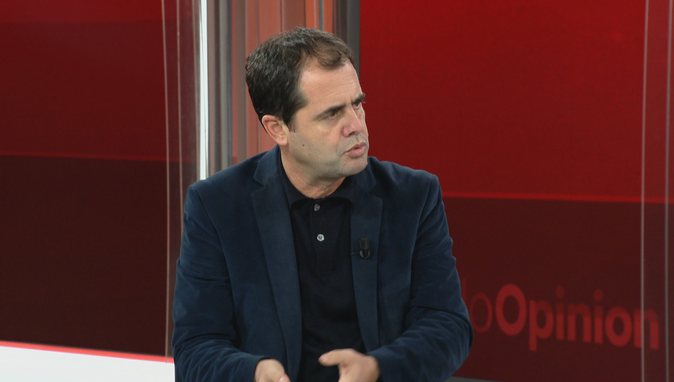
The Democratic Party proposes changing the electoral system, seeking national proportional representation, 100% open lists and the return of the previous coalition formula. The proposal was made public by Democratic MP Oerd Bylykbashi during an interview for A2 CNN. According to Bylykbashi, the proposed model envisages that Albania be a single electoral zone, similar to the systems applied in Kosovo and Israel. He argued that this formula would give citizens more influence in selecting their representatives, while limiting party leaders’ control over candidate lists.
“Every voter should have the right to vote for the party they want. Parties will receive mandates on the basis of their own vote and then a 100% open list for the selection of candidates from first to last,” Bylykbashi declared. The Democratic MP acknowledged that national proportional representation also has its shortcomings, particularly regarding the direct connection of an MP to a specific electoral area. However, according to him, representation at national level would give more weight to citizens’ vote and would strengthen MPs’ positions vis-à-vis the political leadership.
“An MP receives votes from Vermosh to Konispol, from all over Albania,” he said, adding that such a process “removes control from the political leader and the MP is stronger.” Bylykbashi also addressed the parties’ responsibility for selecting candidates, emphasizing the need for a careful filter to avoid the inclusion in Parliament of individuals with criminal ties.
Next, he criticized Prime Minister Edi Rama’s stance on the electoral system, claiming that the majority aims to obtain mandates that do not directly reflect the will of voters. “He wants to take power with a number of mandates that do not come from votes, but come from the fact that you simply have one more mandate than the other. This is not democratic,” the PD MP declared. According to him, the demand for national proportional representation and fully open lists is also gaining support outside politics, so parties must respond to this public debate.

As for the progress of electoral reform and communication with the socialist co-chair of the commission, Damian Gjiknuri, Bylykbashi said that so far he has not seen readiness from the majority for an open discussion process. “I have requested that there be meetings and I will formalize it so that we have continuous meetings over the coming weeks. So far I do not see the readiness,” he said.
The Democratic MP opposed the development of negotiations in closed groups, calling for discussions on electoral reform to be as transparent as possible. “The more public the debate, the healthier it is”, Bylykbashi stressed. In conclusion, he linked the guarantee of free elections to the separation of party from state and the avoidance of using public administration for electoral purposes.