







Technology investments in Portugal are expected to reach $910 million in 2026, according to estimates in the State of European Tech 2026 report, compiled by Atomico. The figure represents an increase of 187% compared with the $320 million recorded in 2025. This trend places Portugal among the top ten European countries by volume of investment in technology companies.
The country ranks tenth, after ranking 14th last year, Euronews reports, citing the Atomico report. For more context on the economy, see the exchange rate. Technology investments in Portugal have also been driven by a major financing operation.
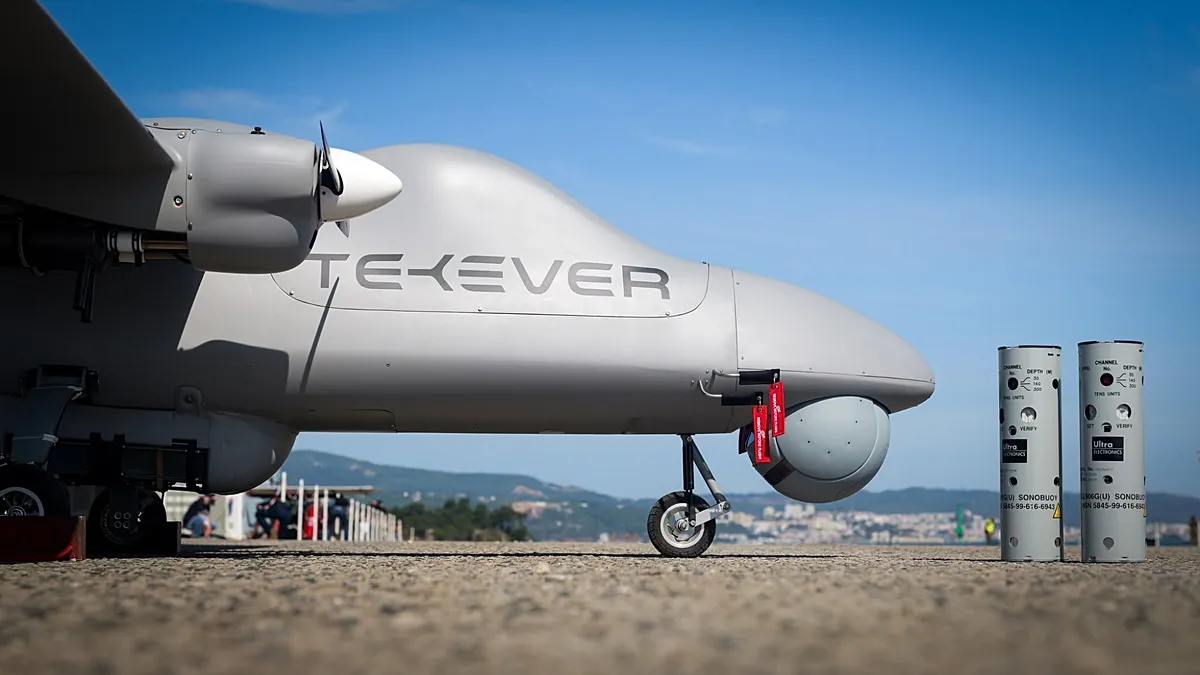
The Portuguese company Tekever, specialized in developing autonomous systems and artificial intelligence technologies, secured a $580 million investment round in September 2026. The size of this transaction shows investors’ growing interest in domestic companies developing technology in strategic sectors, especially defense.

This Tekever financing round is one of the main factors behind this development. Portugal’s performance reflects a broader trend of recovery in technology investments in Europe. According to Atomico, the continent is expected to record $81 billion in investments during 2026, an increase of 62% compared with last year.
This would be the second-best result ever, after the $94 billion reached in 2021. However, even though technology investments in Europe are growing, capital is increasingly concentrated in a smaller number of companies. Since 2021, the number of early-stage financing rounds, before Series A, has fallen by almost 30% between 2021 and 2025.
During the same period, the combined number of Series A and Series B rounds fell by 19%. Data for 2026, which include an extrapolation to estimate full-year results, point to a further decline, according to the report. Europe is also expected to reach a record 40,000 new technology founders in 2026, 36% more than in 2025 and 80% more than in 2024.
In 2026, 29% of new technology company founders worldwide were based in Europe, the largest share of any region, slightly ahead of the United States at 28%. The overall value of the European technology ecosystem has grown every year since 2017, with the only exception being 2022.
It is currently valued at $4.4 trillion. Over the past decade, technology has been the largest engine of job creation in Europe, generating about 6% more jobs each year. This makes the sector the fastest-growing in terms of job creation, surpassing the traditional growth rate of industries such as healthcare, hospitality and restaurants, and construction, as well as jobs in sectors such as banking, insurance, consulting and accounting.
Since 2016, technology jobs have grown by 62% in total, while those outside technology have grown by only 11%. The overwhelming majority, 81%, of these roles are at domestic companies headquartered in Europe, according to the Atomico report. European investments in artificial intelligence and computing power are growing at an unprecedented pace, more than doubling in 2026 to $20 billion, from the $9.5 billion recorded last year.
Although there is growth, Atomico notes that the gap with the United States has widened over the past three years. The increase in U.S. investments during just the first nine months of this year exceeded all the capital Europe has put into this sector over a decade. A considerable share of global financing has also been concentrated in a small number of artificial intelligence companies, with OpenAI and Anthropic together accounting for 61% of global investments.
This difference, according to the report, reflects not only the size of the U.S. market but also its ability to mobilize capital for projects that require large-scale technology infrastructure, especially computing capacity. According to Atomico, European private capital markets still do not have sufficient depth to finance operations of this size.
Faced with this reality, European companies, entrepreneurs and institutions are forced to make strategic choices about the areas in which they should invest and compete. The challenge is to develop financing sources that can match Europe's technology ambitions and enable companies to grow on a global scale.