







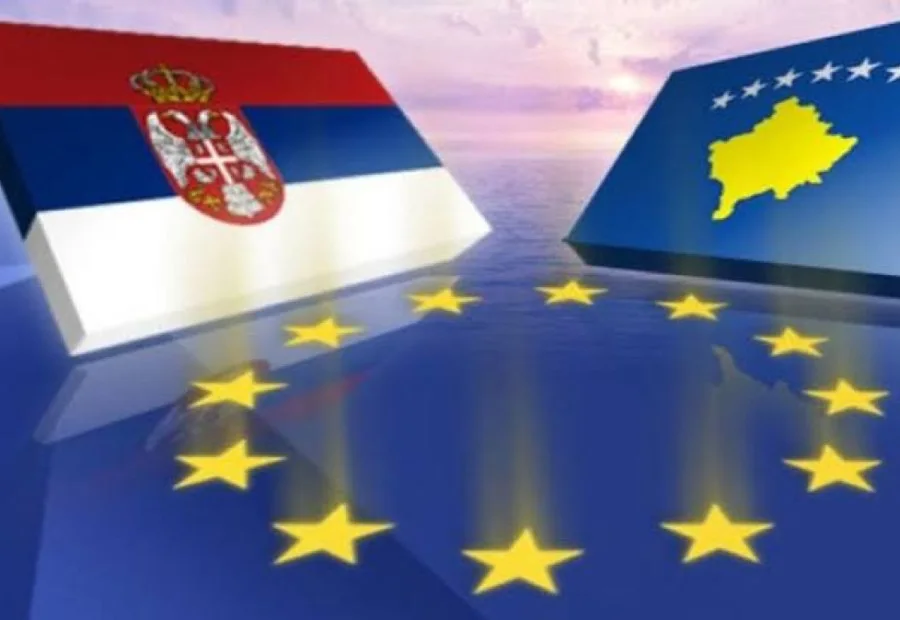
German MP in the Bundestag, Boris Mijatoviq, expects political changes in Serbia to create opportunities for improving relations with Kosovo. He assesses that a new government in Belgrade could show greater readiness for dialogue. He warns, however, that foreign policy will not necessarily change immediately.
Mijatoviq gave these assessments in an interview for KOHËN, where he spoke about political developments in Serbia and the future of dialogue between the two countries. According to him, a new Serbian government could move away from political tactics that have created tensions with neighboring countries. He emphasizes that the priorities of the student movement in Serbia are expected to initially be the reconstruction of institutions, the fight against corruption and the strengthening of the rule of law.
For this reason, a change in Belgrade’s official stance toward Pristina is not expected to be immediate. The German MP has also called for the European Union to maintain a balanced stance toward Kosovo and Serbia, without favoring either side. In the interview he also addressed the implementation of agreements reached in dialogue, the issue of the Association of municipalities with a Serb majority and Kosovo’s membership in the Council of Europe.

Boris Mijatoviq and the implementation of agreements
Mijatoviq, who has supported Kosovo’s membership in this organization, emphasized the importance of implementing agreements and of concrete results for citizens. He did not give deadlines for the changes he expects in Serbia, but links them to the formation of a new government in Belgrade. According to the MP, greater readiness for cooperation should also be reflected in relations with neighboring countries, including Kosovo.
The emphasis that Boris Mijatoviq places on the implementation of agreements moves the debate from political statements to the results that citizens feel. The request for a balanced stance by Brussels comes at a time when dialogue between the two countries remains in the focus of attention. He expressed this stance as an MP of the Bundestag, linking the possible opening of relations with internal political changes in Serbia.