







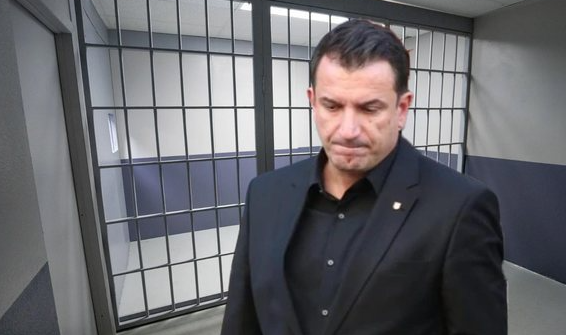
Erion Veliaj should move the center of his battle to facing the charges. That is where the weight of his arguments will be measured, and that is where the case against him can be overturned if it is unfounded. The public can hear complaints every day, but the answer to innocence is given by evidence and the court.
The debate over detention conditions requires seriousness. Veliaj and his defense have raised claims that include isolation and restrictions on communication with his family and lawyer; the Prison Directorate has stated that procedures have been followed in accordance with the law. These claims must be verified, and any violation must be corrected urgently.
Here the standard must be the same for everyone. Veliaj deserves dignified conditions, safety, health care, and opportunities to prepare his defense. Just as much as any other detainee, including one who has no public name, no lawyer on television, or political supporters. Pretrial detention is not a punishment before the court’s decision.

But a prison is not a five-star hotel. A former office does not create a right to special treatment. Even the matter of the television, if it is raised, must be handled according to the common rules of the institution. The weight of a criminal proceeding cannot be lost amid debates about daily comfort.
Veliaj needs to convince the public that he has answers to the charges against him. If the prosecution is wrong, let him show it with documents. If the evidence is weak, let him challenge it point by point. If the procedures undermine his defense, let him challenge them with persistence. A serious confrontation requires preparation, clarity, and courage. In court, I challenge him openly with facts and arguments, and if he emerges innocent, he has defeated everyone. A politician does not complain about secondary matters. Fatos Nano was in a cell too, but he won, because he was right, and he came out stronger than he was before prison. Former president Meta is also in a cell, even in scandalous conditions, yet he still goes and faces the court eye to eye.
A complaint about conditions does not prove his guilt, and an injustice during detention does not automatically overturn the charges. Each issue requires its own answer. This is precisely the distinction that Veliaj must also keep clear.
In figurative language, he needs the posture of the eagle: a clear gaze and the courage to confront. If he wants to use the comparison with the flamingo, let him reserve it for the gentleness of appearance; a court battle requires steadiness and arguments. Dignity is earned by demanding one’s rights and by taking on the confrontation.
The public expects to hear: “Here are the charges and here is my response. Here is the claim and here is the document that refutes it.”
That is how Veliaj will score points: by turning words into arguments, and arguments into a defense that stands before the court.