







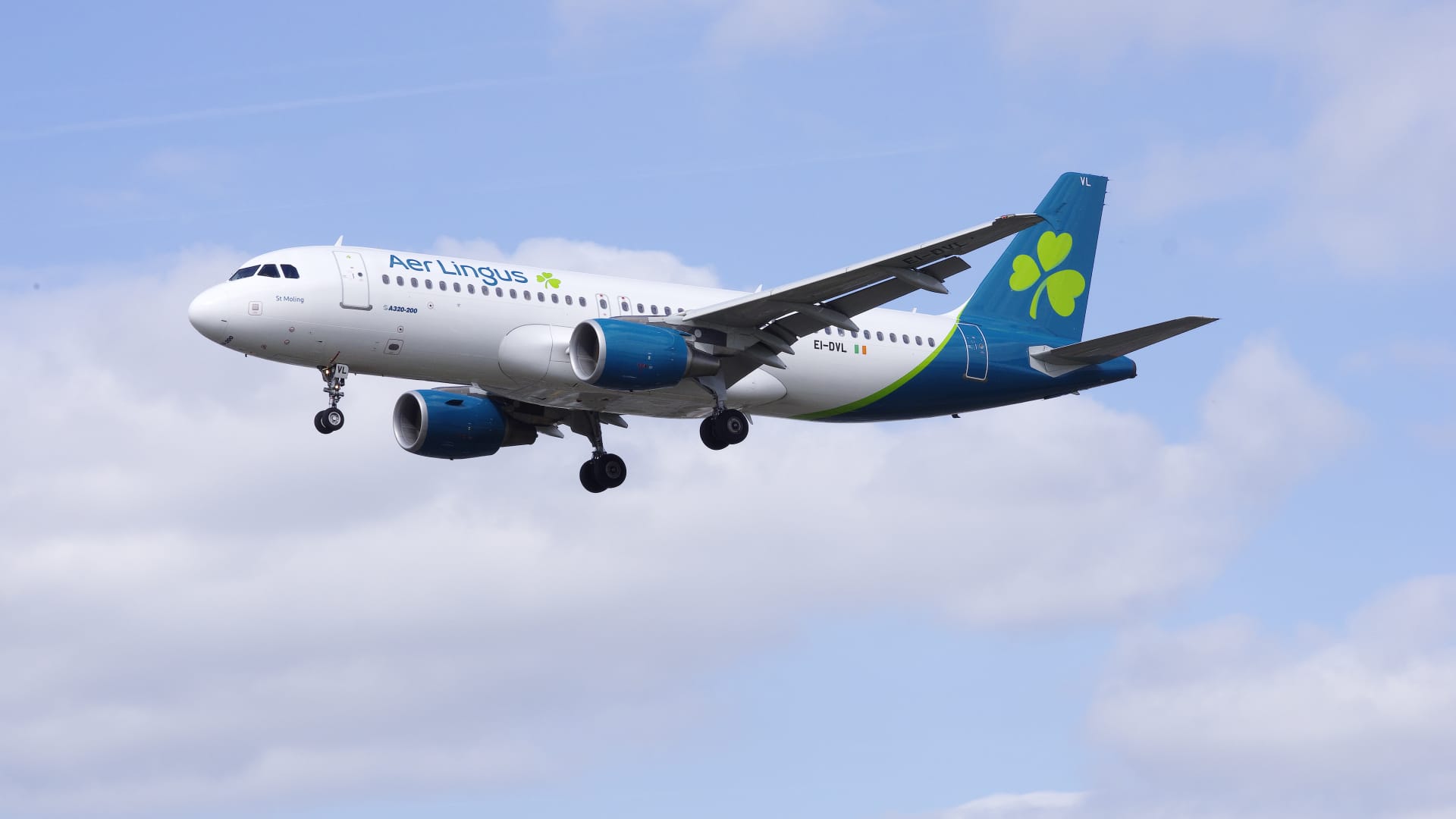
A wave of bomb threats against passenger flights has forced diversions, emergency landings and military escorts across European airspace this week, fuelling fear among passengers and adding pressure on airlines. Authorities have described more than two dozen threats as malicious hoaxes, and no actual attack has been carried out. Nevertheless, the incidents have highlighted the major impact that even false claims can have on an aviation network with tight schedules.
Wilfried Covent, head of aviation-focused security firm Covent Consulting, described the situation as “truly extraordinary”, saying he had never seen anything like it. He explained that while bomb threats against flights and airports are not new, they are usually isolated cases, whereas what is being seen now is a “systematic attack on airlines and airports”. Covent suggested that “criminals”, whom many security analysts believe are state-backed actors, are aware that aviation’s weakest point is its targeting while in flight. This is prompting international regulations that ensure the threat cannot be ignored, forcing rapid landings, evacuations and searches, regardless of credibility. The safety of passengers and crew is the number one priority.
Responsibility for handling hoax attacks is shared among international agencies. Assessing security threats and implementing measures falls mainly to national authorities, in coordination with airport operators, airlines and law enforcement agencies. Air traffic control is also involved, while the European Union Aviation Safety Agency (EASA) and the UK Civil Aviation Authority set safety rules. Within the European Union, the European Commission is involved in aviation security policy and coordination.

Operational decisions depend on where the threat arises. Joji Waites, director at the British Airline Pilots’ Association, explained that airline assessors classify a threat as red, amber or green, but an amber verdict is never given if the aircraft is in the air. If a threat is judged credible, the captain takes command of decisions, with priority given to landing as quickly and safely as possible.
Beyond fear and flight disruption, every diversion can affect subsequent flights, crew working hours and passengers with connections. The effect on the network can be significant. Philip Baum, visiting professor of aviation security, said a single diversion can cost an airline up to $250,000. An EASA spokesperson added that diversions are a concern for a system designed for predictability and efficiency, increasing the workload for pilots, air traffic controllers and airports. Although staff are trained, the higher number of diversions places additional strain on the system.
National governments are already reviewing their regulations and frameworks, and there will be discussions at European and global level, according to John Edwards, senior consultant at Gates Aviation. He stressed the need to understand “what is different” this time, why there have been so many threats and why they have been considered credible enough. In theory, the vast majority should be assessed as not credible based on routine procedures.
However, Eric Schouten, former intelligence officer and CEO of Dyami, warned that changes to existing regulations would require time and the balancing of views between countries, airports, security authorities and the EU, with geopolitics playing a role. He predicted a high probability that even more flights will be cancelled or diverted, and that future targets could include railways and motorways. Schouten added that the new measures will not be made public. Wilfried Covent concluded that if this situation continues, something will have to change or flying could stop altogether. He stressed the need for Europeans to be prepared, as the types of attacks may change, as seen with cyberattacks on other infrastructure.
Taken from CNBC