







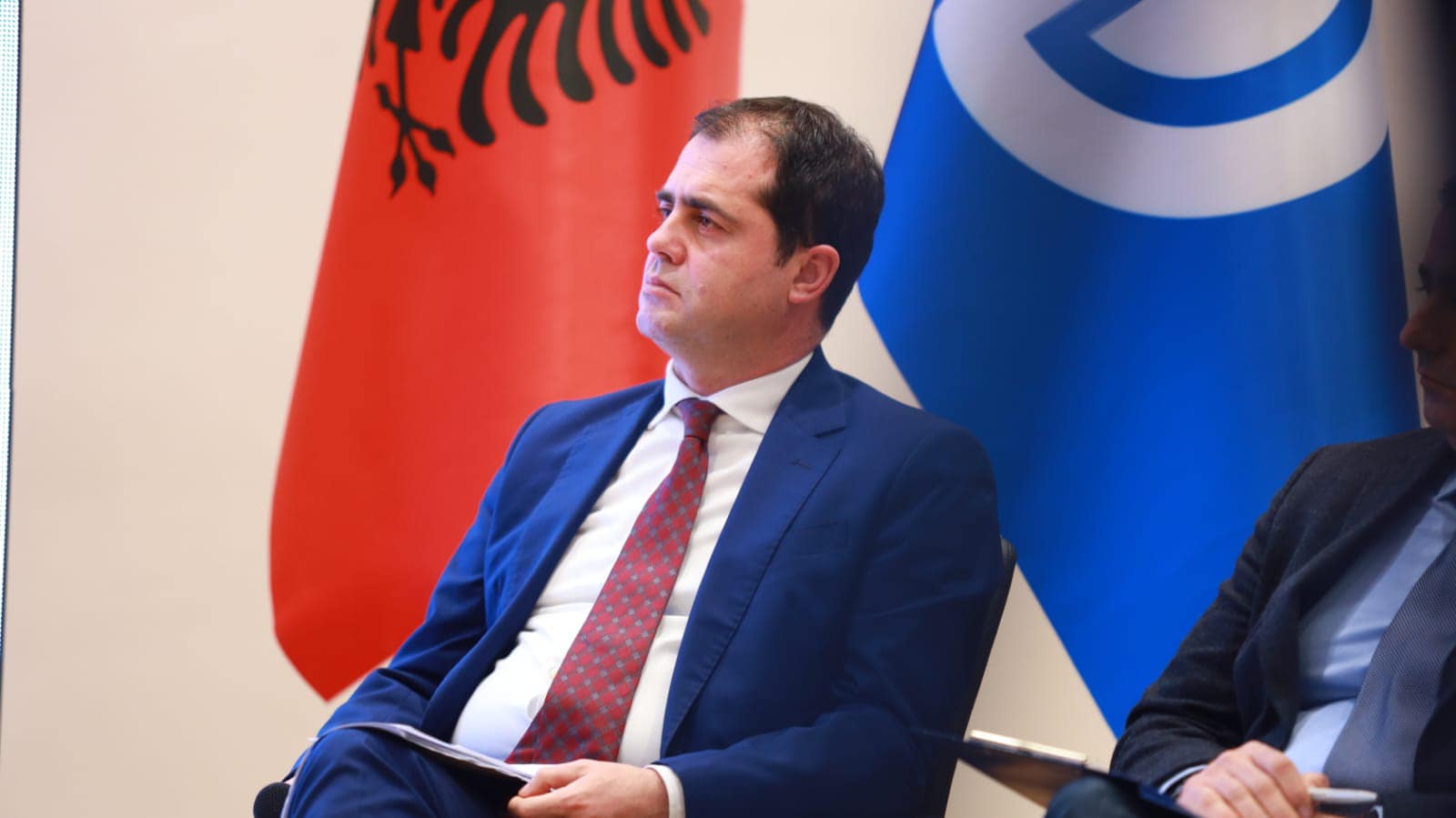
The Special Committee on Electoral Reform returns to the discussion table on Monday, 9 November, at 13:00. At the meeting, to be held in the “Pjetër Arbnori” hall of the Parliament, the focus will be on the obligations arising from legislation on local self-government, the draft law on the financing of political parties, and other outstanding issues of the reform.
According to Oerd Bylykbashi, the committee is now in the last month of its mandate and must fulfil its obligation to create equal conditions for all political entities. “The absolute priority for guaranteeing free and fair elections is solving the main problem identified in the OSCE/ODIHR report […] guaranteeing equal conditions of electoral competition”, he stated.
The Democrat stressed that this requires separating the state from the party in power, prohibiting the use of administration and public resources for electoral interests, and effectively punishing persons who commit violations during electoral processes. Another issue on which Bylykbashi calls for intervention is the electoral system itself. He supports a move towards national proportionality, with open lists and fewer obstacles for parties seeking to compete in elections.

“Albania needs a completely new electoral system, where the representation of parties is guaranteed on the basis of national proportionality, with open lists that enable voters to decide which deputies will represent them”, said the Democratic co-leader. His proposal also includes the election of municipal councils through open lists, instead of the current system with closed lists.
Regarding the draft law on the financing of political parties, Bylykbashi demands that it guarantee the implementation of financing rules and prevent the use of state resources during campaigns. According to him, the new law will enter into force after the parliamentary elections of 9 May 2027. He made it known that the DP has prepared a package of proposals and amendments, which it will submit as part of the committee’s work.
Bylykbashi accused the Socialist Party until now of directing the discussions toward issues not directly related to the OSCE/ODIHR recommendations and which, according to the opposition, are not a priority for the upcoming elections. “Implementing the OSCE/ODIHR recommendations by consensus and guaranteeing elections to standards is the obligation of the majority, not only of the opposition”, he stressed.