







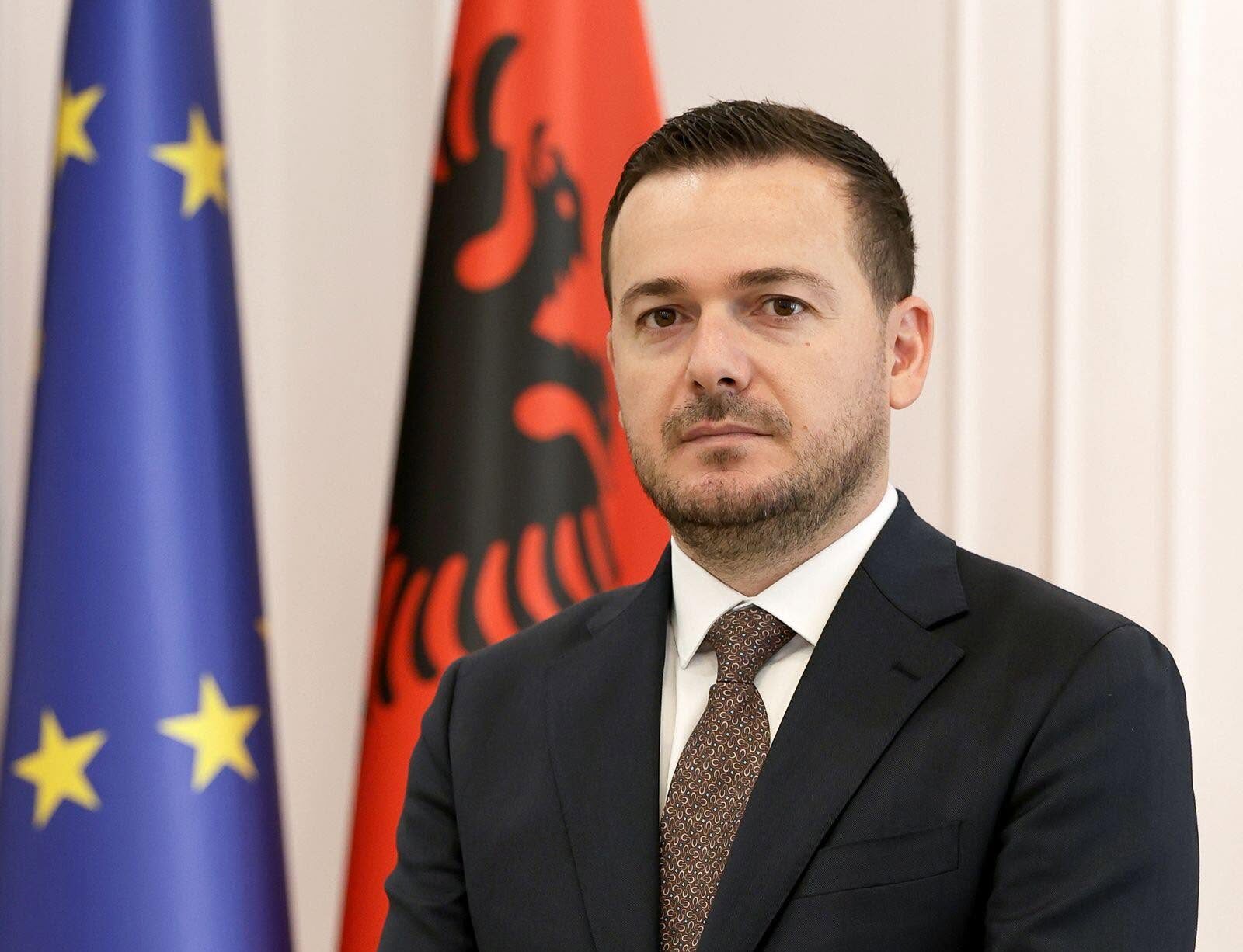
The Ministry of Agriculture and Rural Development plans to spend about 18 billion lek in 2027, 10% more than the initial budget for this year. In addition to increasing funds for farmers, the draft budget foresees investments in land irrigation, strengthening food controls and adding 50 employees to the ministry.
During the presentation of the draft budget to the parliamentary committee, the minister of Agriculture said that rural development will receive about 8.4 billion lek, or approximately 47% of the entire budget. Of the additional funds planned for this program, 100 million lek will go to the National Support Scheme. The aim is to expand direct payments to farmers, support young people in agriculture and finance investments in farms.
“The change we are seeking is not only financial. We are gradually moving from fragmented support toward a model that rewards real production, encourages cooperation among farmers and the consolidation of farms. We want lower costs per unit of production, more market access and a sector capable of competing in the common European market,” said Salla.

For food safety, about 3 billion lek has been planned, 3% more than in 2026. Of this amount, 371 million lek is foreseen for investments. The minister announced that controls will be strengthened from farm to market, while laboratories will aim to expand analyses for substances and residues that may be found in food products.
“We will strengthen the control of the National Food Authority along the entire chain, from farm to market; traceability and identification of unsafe products; identification and registration of animals, veterinary surveillance and phytosanitary control. At the Food Safety and Veterinary Institute we aim for more validated and accredited methods, including analyses for nitrates, heavy metals, veterinary residues, olive oil and honey. Food safety is at the same time consumer protection and a condition for opening new markets,” said Salla.
Another part of the budget goes to irrigation, drainage and flood protection. For this program, 4.3 billion lek has been foreseen, or 19.3% more than the initial budget of 2026. The investments aim to improve irrigation on about 13 thousand hectares and to build or rehabilitate 10 kilometers of embankments. Meanwhile, 400 million lek has been planned for the preparation of projects on the Ishëm, Erzen, Shkumbin, Seman and Vjosa rivers, as well as in the Torrovica and Maliqi plains.
For fisheries, 727 million lek has been foreseen, 25% more than in 2026, while the agricultural advisory program aims to inform and assist 93 thousand farmers. The draft budget also includes adding 50 employees to the staff of the Ministry of Agriculture, to meet the obligations related to the negotiations for membership in the European Union.
“The addition of 50 staff to the ministry’s organic structure is foreseen, to support the preparation and implementation of policies, legal approximation and commitments in the European negotiations. A professional administration is a condition for turning funding into services and results. “In detail, the ceiling for salaries and social insurance rises from 413 million in 2026 to 477 million in 2027, representing an increase of 15.6%. As I mentioned above, this is linked to the forecast for 50 additional employees for 2027 to serve the obligations of chapters 11, 12 and 13 of the negotiations with the European Union,” said Salla.