







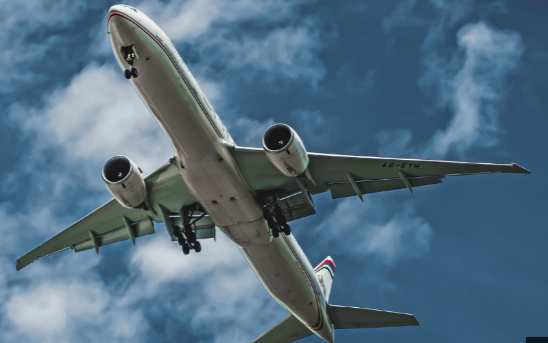
Flight crews of passenger aircraft are regularly trained for situations involving bomb threats. Emergency plans exist for such cases, which pilots and flight attendants must implement according to defined procedures. “It is about maintaining calm and drawing up a plan of action,” says experienced Boeing pilot Matthias Baier.
If the aircraft is already in the air, it is usually diverted, depending on the specific level of threat, to the nearest suitable airport to carry out the evacuation of passengers. This decision is made in coordination with air traffic control and the competent safety authorities.

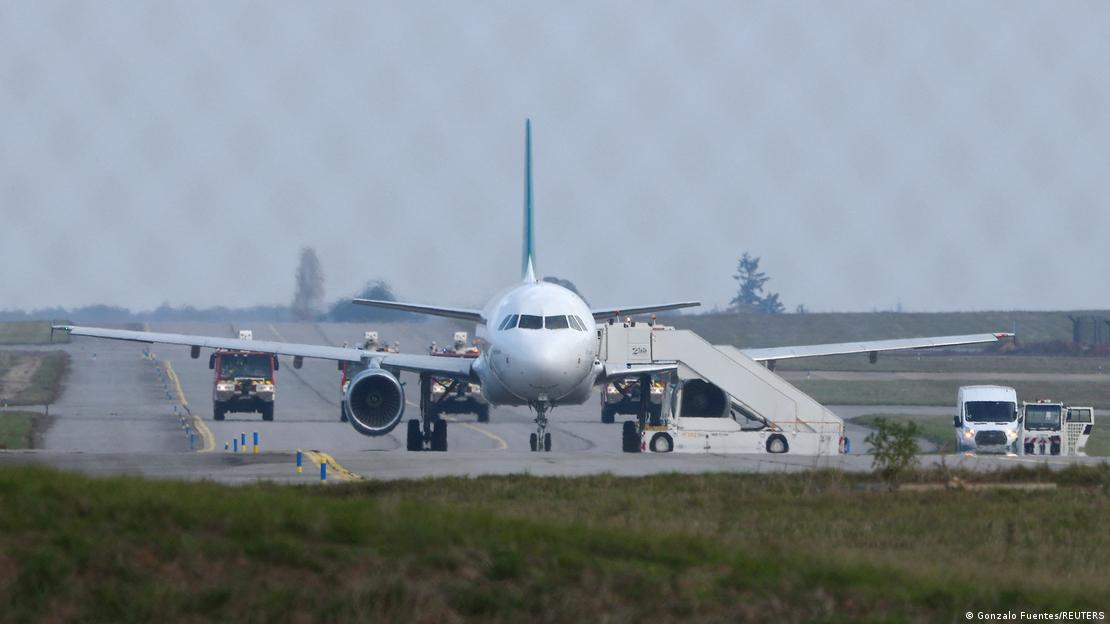
Are passengers informed in the event of a threat?
Whether and when passengers are informed about the threat depends on the specific situation. The main priority is that the crew can implement the necessary safety measures in an orderly and safe manner.

Depending on the procedures being applied, measures such as disabling the onboard internet (Wi-Fi) and the options for charging electronic devices may also be taken.
Also, under suitable flight conditions, a reduction of the pressure difference between the cabin and the outside air may be planned, with the aim of limiting the possible consequences of an explosion. An unexpected equalization of pressure would worsen the effects of an explosion.
What happens if a suspected explosive device is on board?
“We are not explosives experts, but naturally we must do everything so that the consequences of a possible explosion are as small as possible,” says pilot Matthias Baier.
Special procedures exist for handling suspicious objects, for which crews are trained in advance. The specific measures taken depend on the particular situation and on the aircraft manufacturer’s guidelines. The main goal is to limit as much as possible the potential consequences for persons on board and for the aircraft itself.