







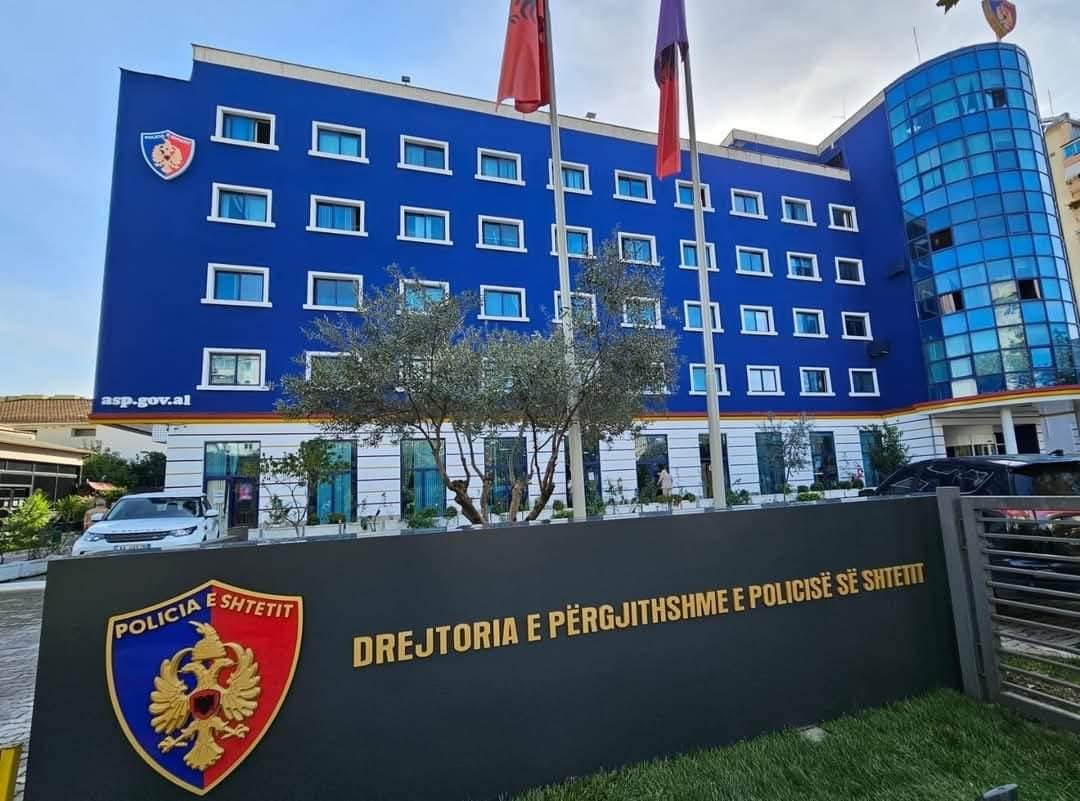
The State Police has raised the alarm over a new wave of online scams spreading through SMS messages. The scheme, known as “smishing”, aims to deceive citizens by using the names of public institutions, including the Municipality of Tirana, the DPSHTRR (General Directorate of Road Traffic Services) and Albanian Post.
Through fake messages, citizens are instructed to click on suspicious links, where they are then asked to provide personal data and banking information. Fraudsters can use this data to access bank accounts and misappropriate sums of money.
To avoid falling victim to these schemes, the authorities call for vigilance, advising citizens not to open unknown links and, under no circumstances, to provide card or bank account details through such messages.
Full post
Fraud campaigns via SMS messages continue. The State Police appeals: Do not enter your banking details on suspicious websites! The Directorate for the Investigation of Cybercrime at the State Police has identified new fraud campaigns via SMS messages (smishing), which are being sent to citizens while falsely using the names of Albanian public institutions and services.

These campaigns follow previously identified cases in which the perpetrators, falsely presenting themselves as banking institutions, attempted to deceive citizens through forged websites, with the aim of obtaining their personal and banking data. From recent monitoring, messages have been identified that appear to be sent on behalf of:
* Tirana Municipality / Parking Service, claiming the existence of unpaid parking fees;
* DPSHTRR, announcing road traffic violations and unpaid fines;
* Albanian Post, claiming that citizens must update their address to enable delivery of postal parcels.
In these cases, the messages contain electronic links which direct citizens to forged websites that imitate the official websites of the respective institutions. The purpose of these campaigns is to deceive citizens into obtaining their personal and banking data, including bank card number, expiry date, security code (CVV/CVC) and verification codes, which can be used to carry out unauthorized transactions and misappropriate money from bank accounts. The perpetrators use notices about unpaid obligations, short deadlines or problems with postal deliveries, creating a sense of urgency to push citizens to act without verifying the authenticity of the messages.
The State Police calls on citizens:
* Do not click on suspicious links sent via SMS, regardless of the institution in whose name they are presented.
* Do not enter bank card details, CVV/CVC codes or verification codes on web pages opened through these messages.
* Verify every notice about fine payments