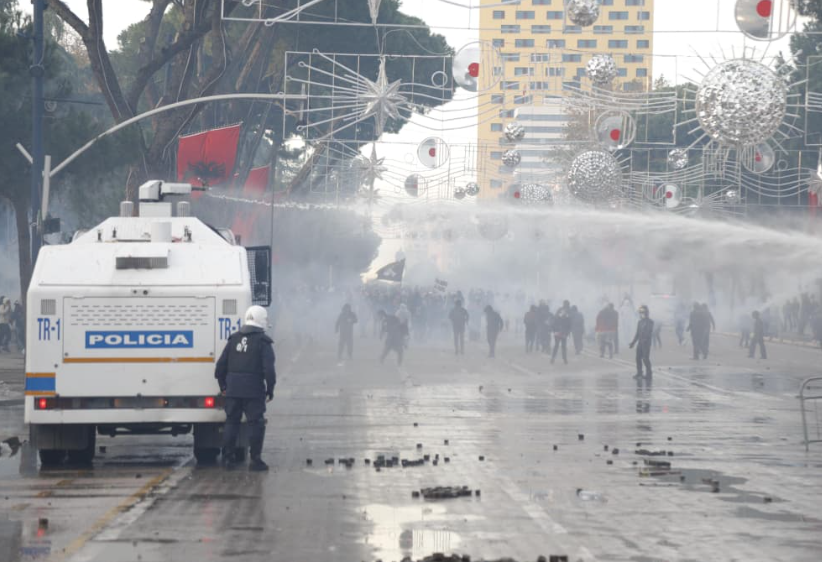
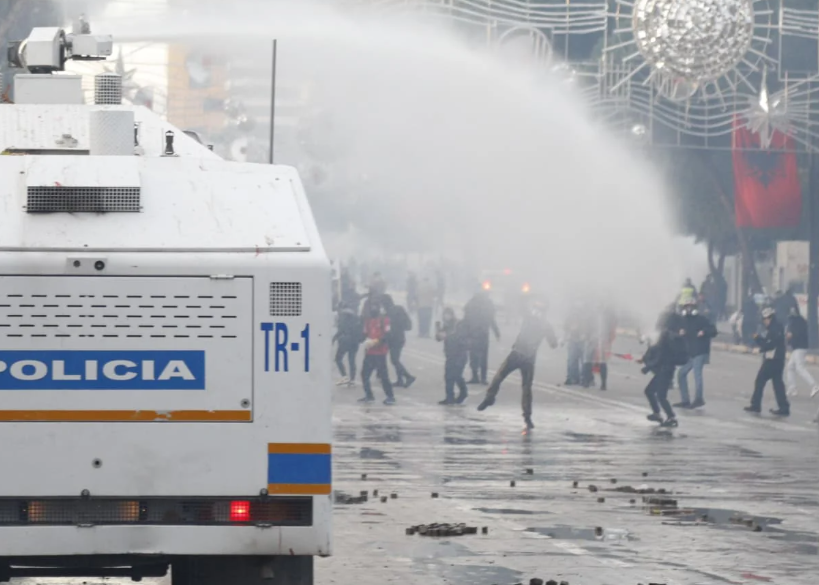
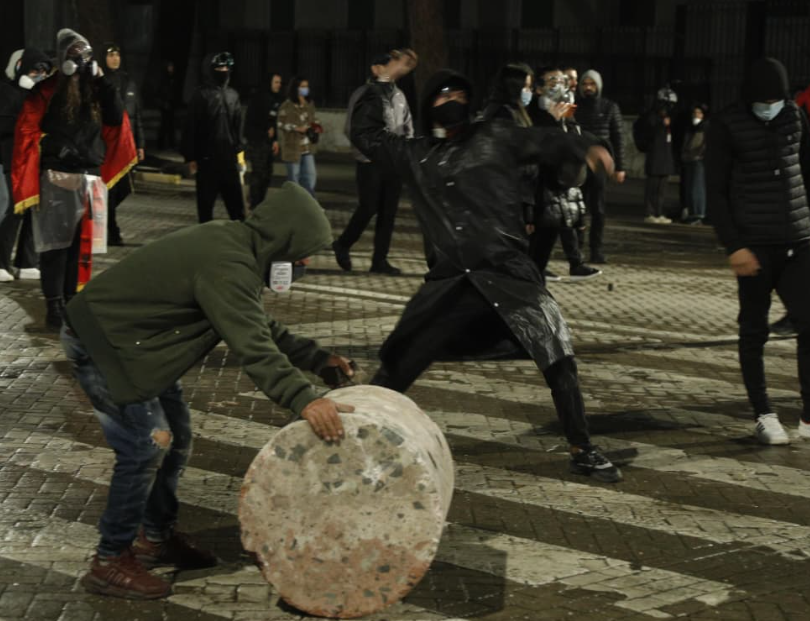
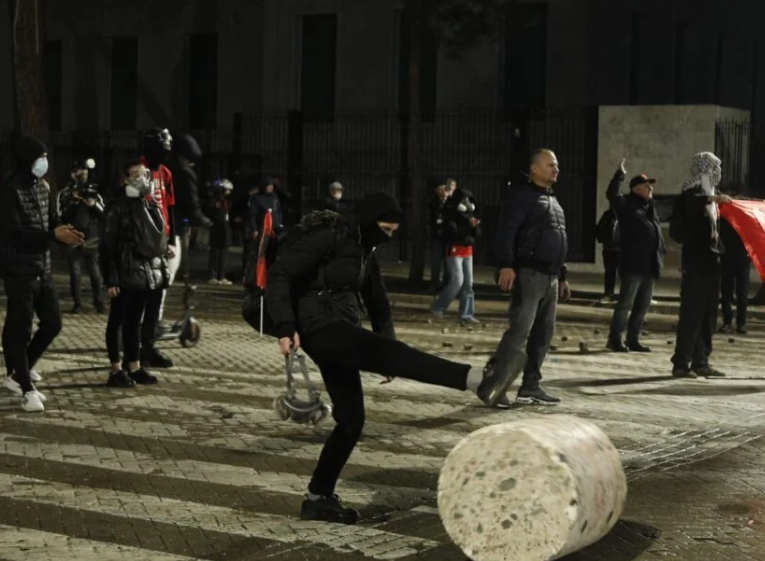
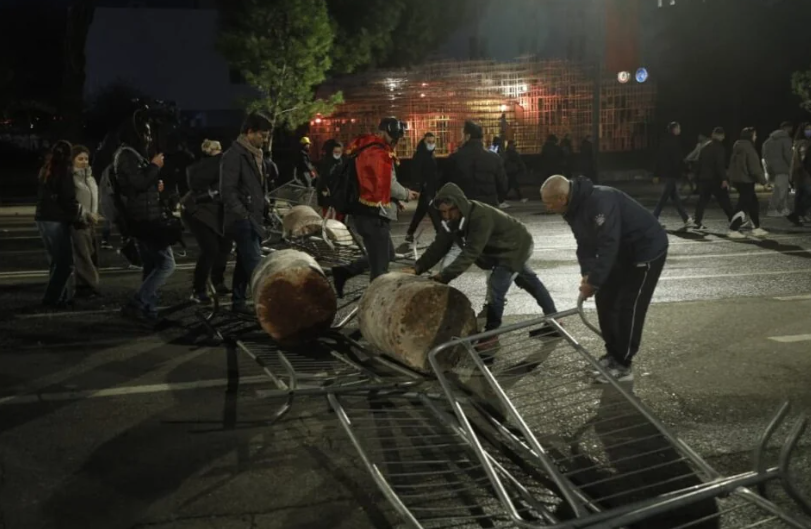
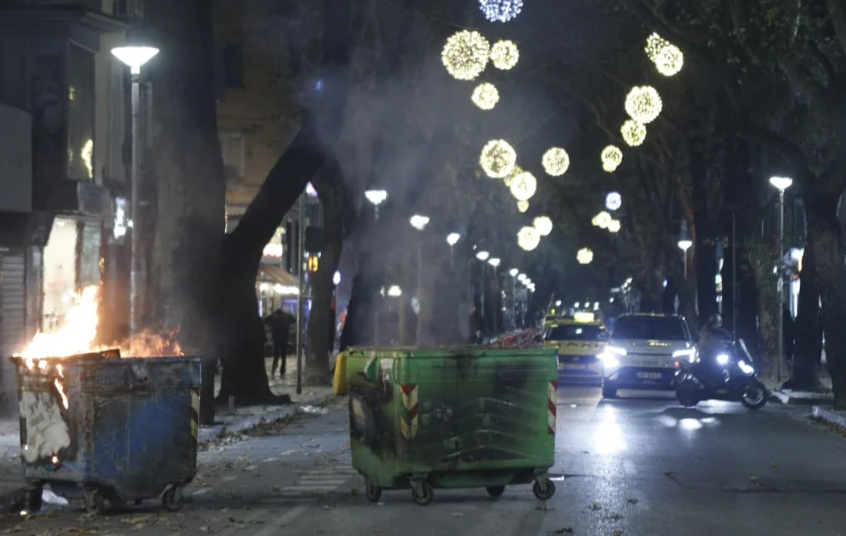
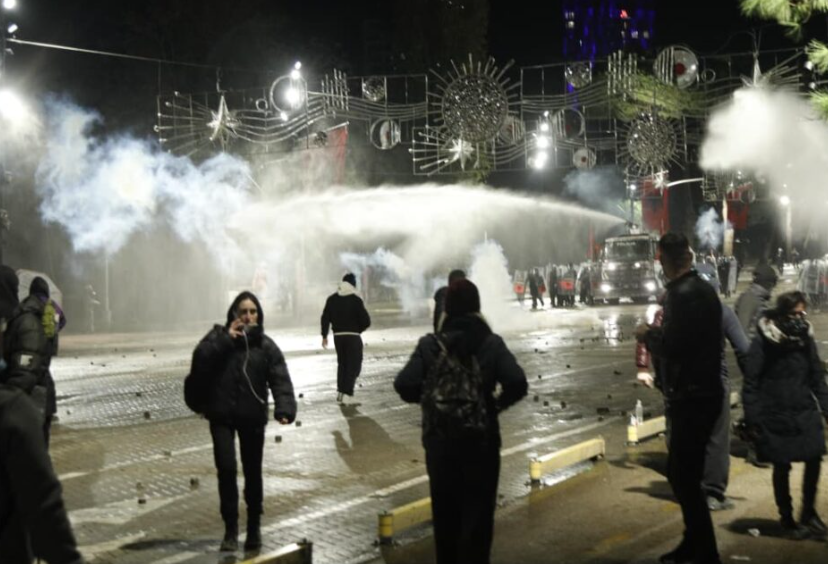
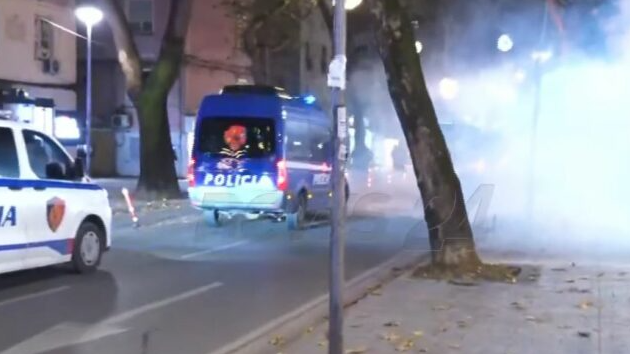
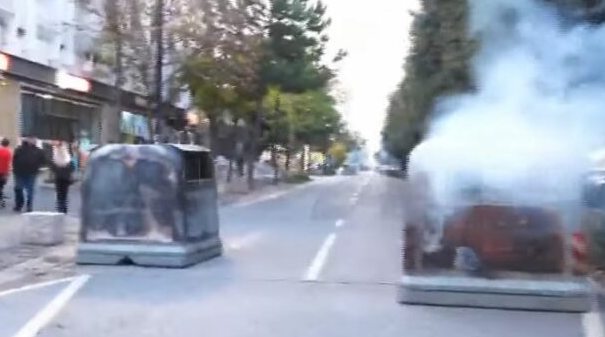
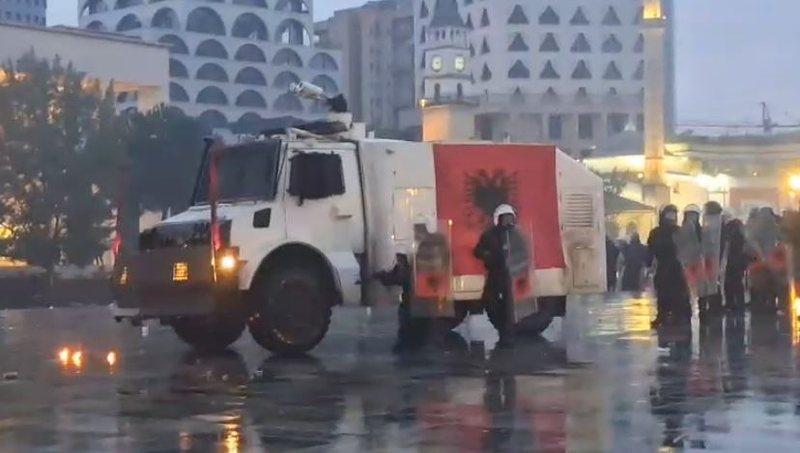
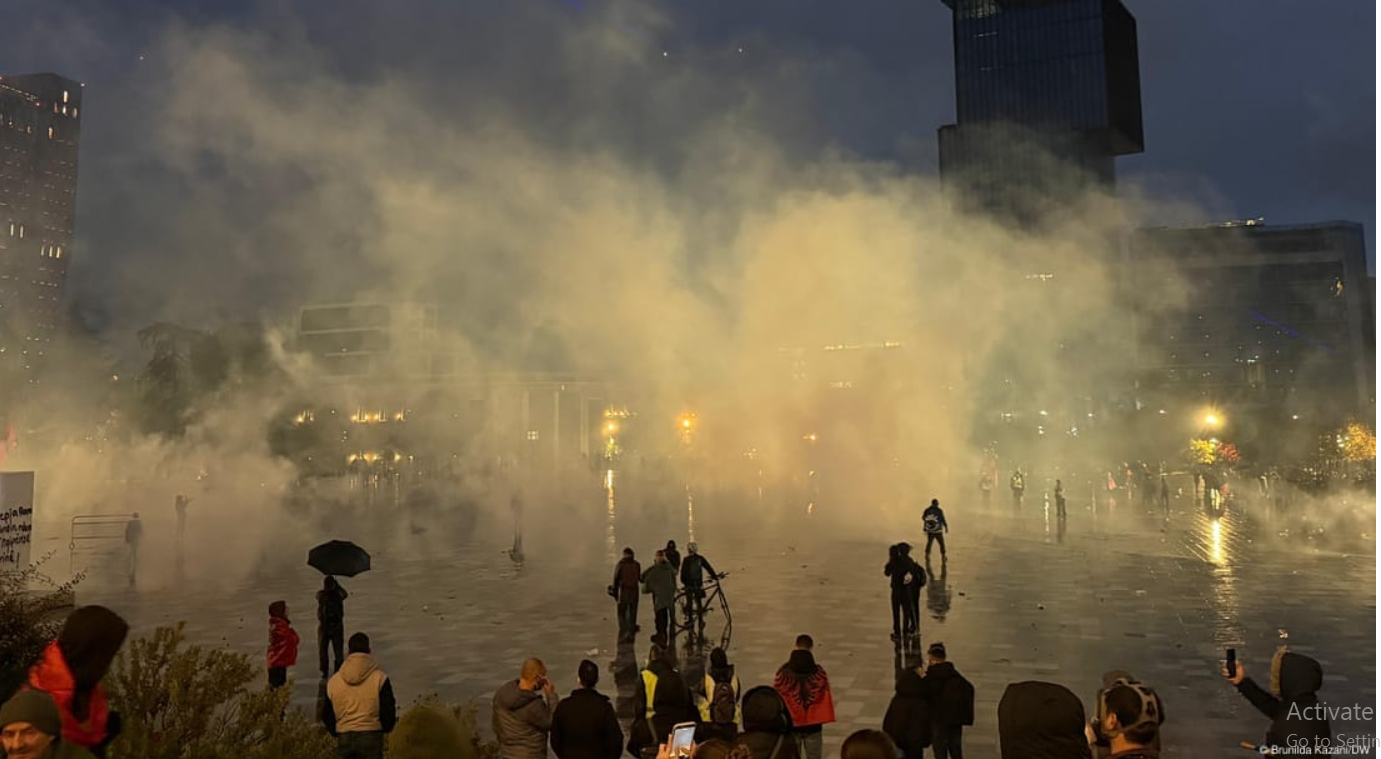
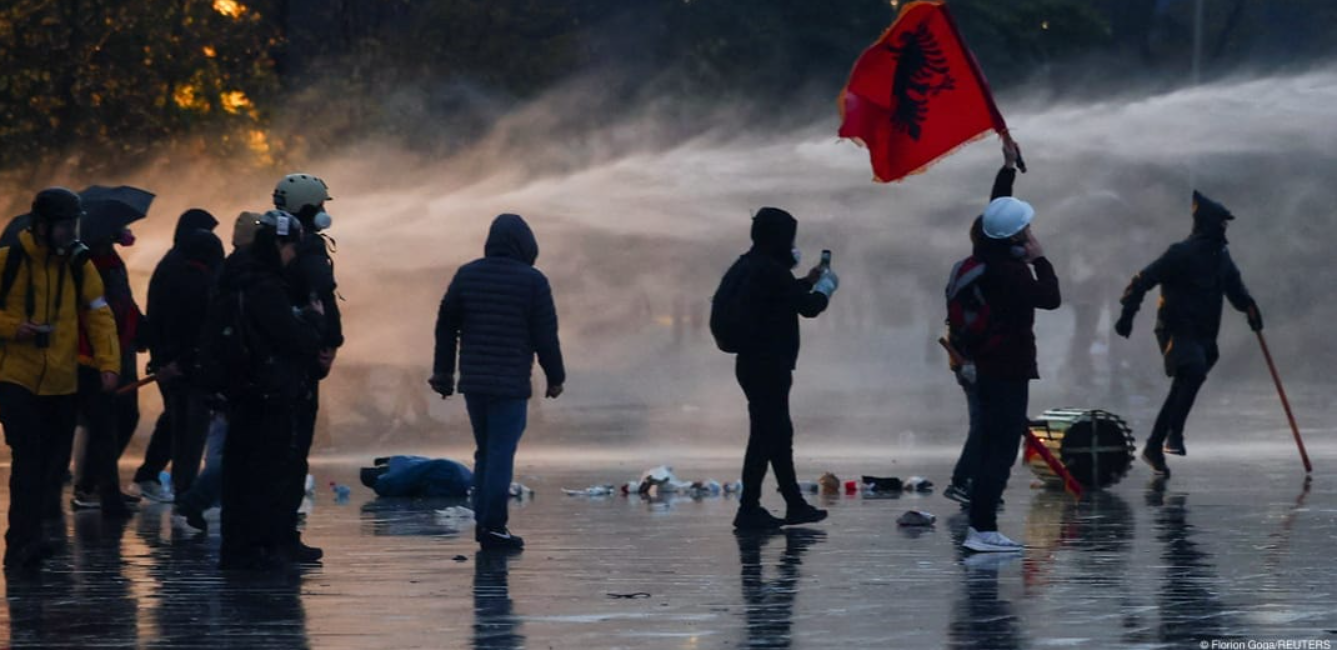
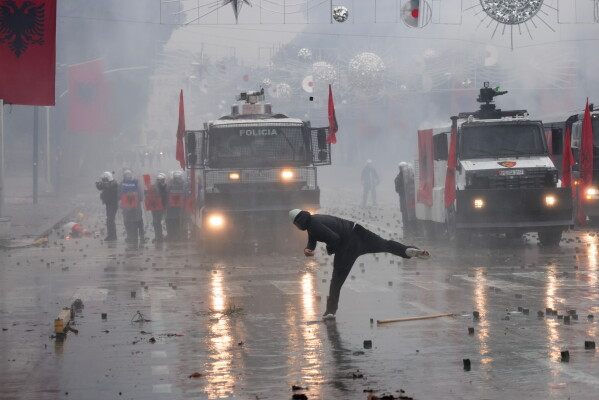
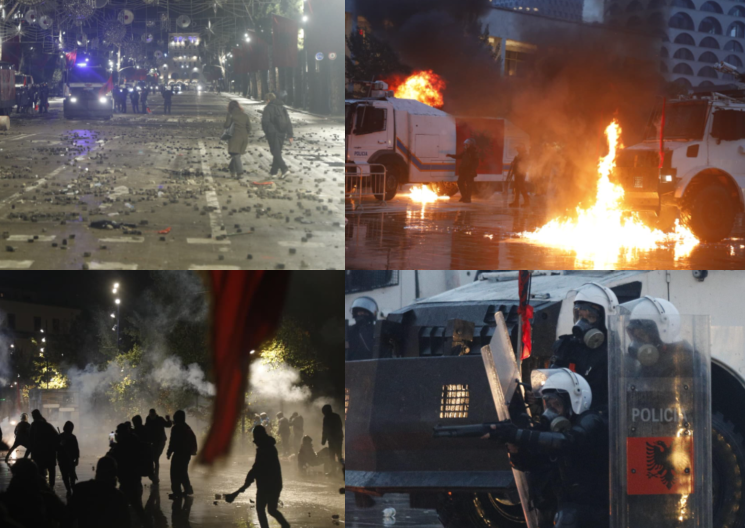
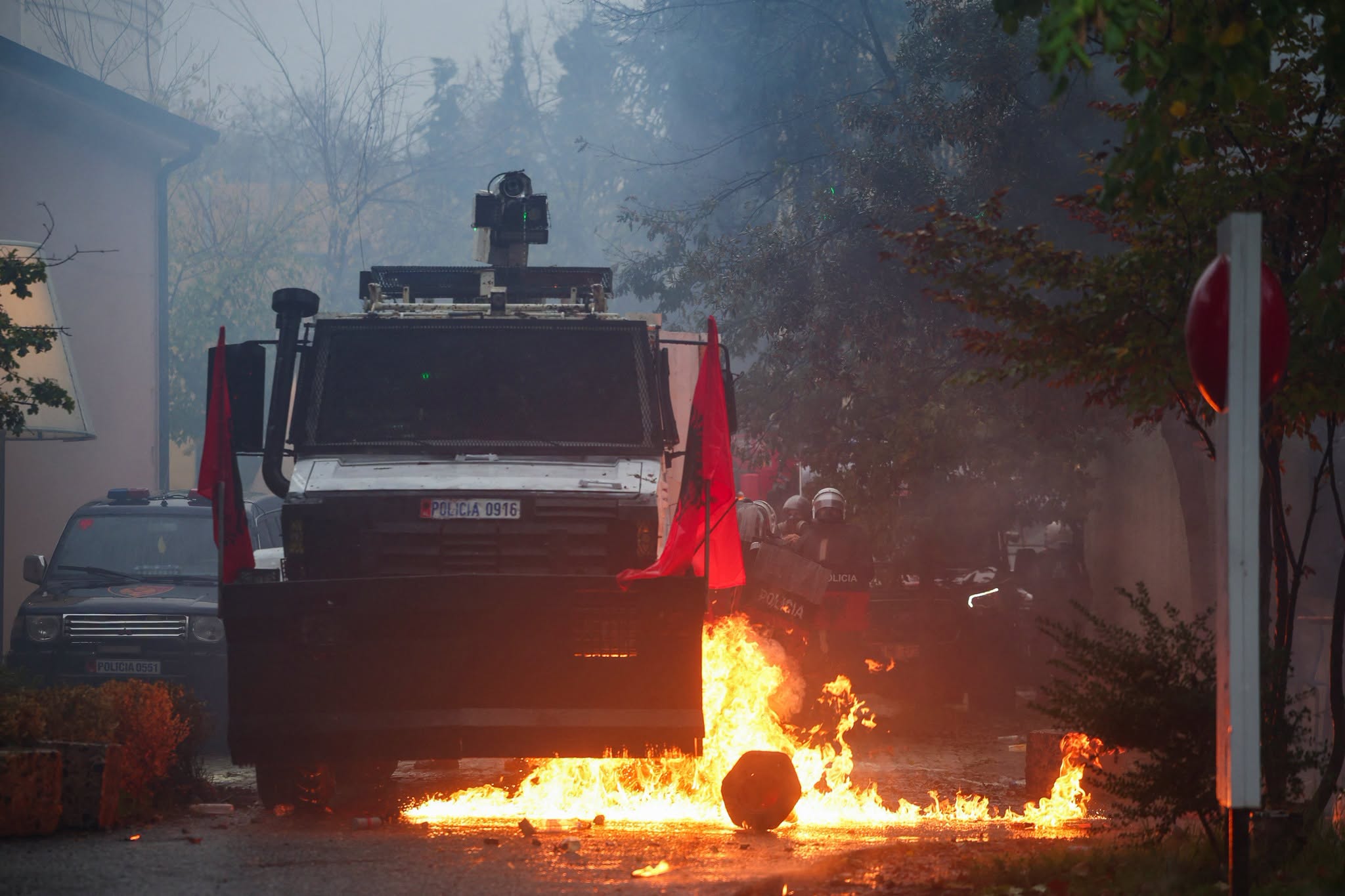
The holidays of November 28 and 29 in Tirana should have been days of pride, remembrance, and unity. But this year, for many citizens, they were accompanied by scenes of clashes, stones, Molotov cocktails, and tear gas. Thus, the days symbolizing the declaration of Independence and the liberation of the country turned into scenes of tension, fear, and insecurity.
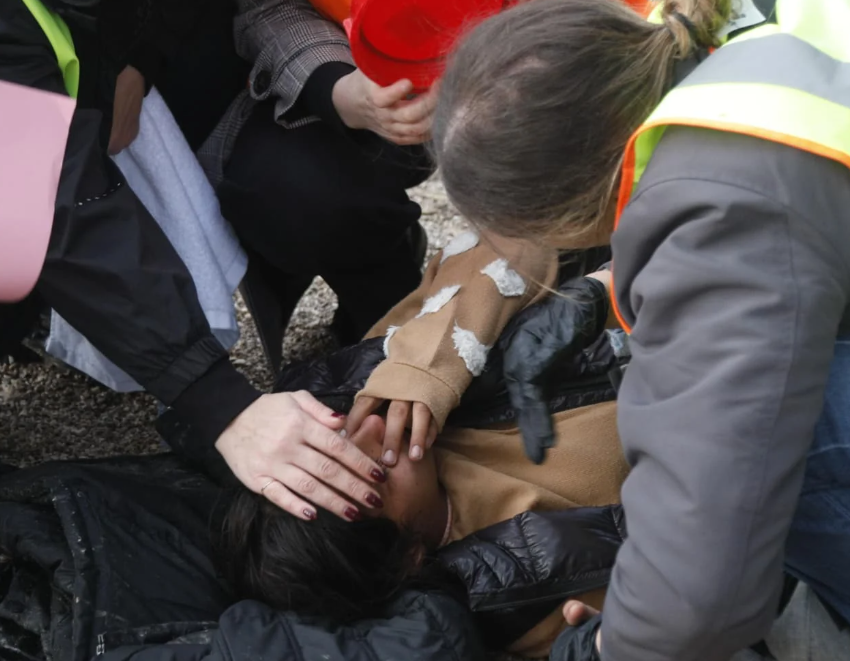
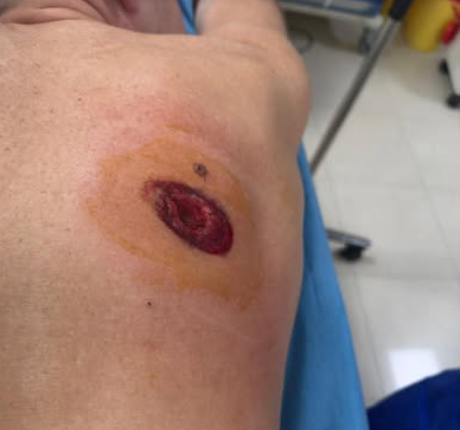
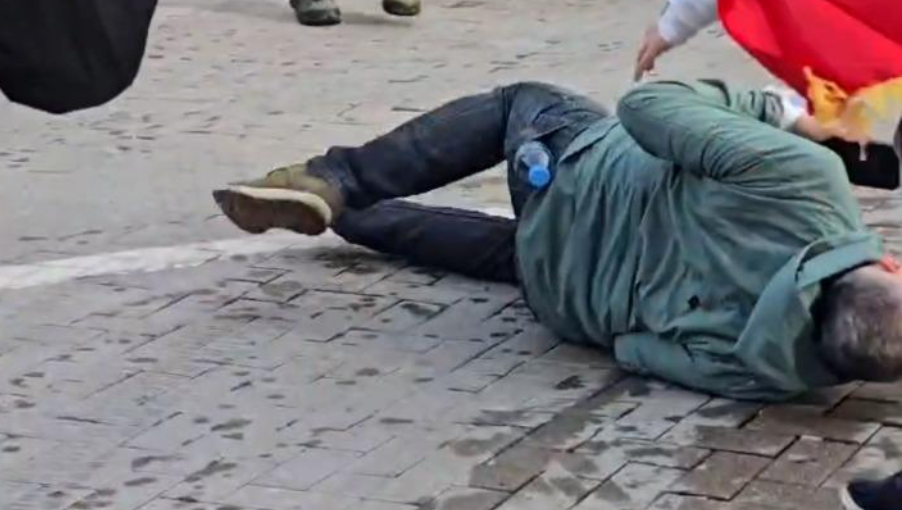
Such scenes leave consequences beyond material damage. Protesters, police officers, journalists, bystanders, and residents near the site of the clashes are put at risk. Violence does not strengthen a cause and does not resolve political conflicts; it only increases anger, deepens divisions, and diverts attention from the issues citizens have come out to protest.
The right to peaceful protest is fundamental and must be protected. Equally important is that no one uses it as a justification for attacks on people, institutions, or property. Those who throw Molotov cocktails and stones must bear responsibility for their actions. At the same time, institutions must also be held accountable for how they managed the situation and for any claims of excessive use of force. Investigations must be impartial, evidence-based, and apply equally to everyone.
Political responsibility does not end with statements after the event. The government, the opposition, and institutional leaders must tone down divisive rhetoric and create space for dialogue.
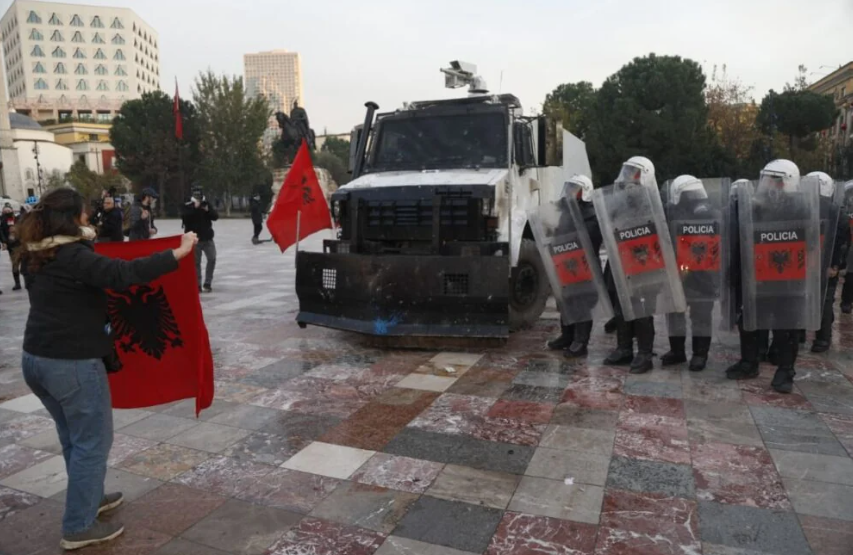
The red-and-black flag is not the symbol of a party or a government. It belongs to all Albanians. Therefore, national holidays deserve to be protected from violence and not turned into a stage for political clashes. Independence and liberation should be honored with dignity, responsibility, and respect for the life and safety of every citizen.
But this time, or more precisely for the first time in history, Independence Day was “celebrated” with violence and clashes, with injured people, Molotov cocktails, and tear gas.