







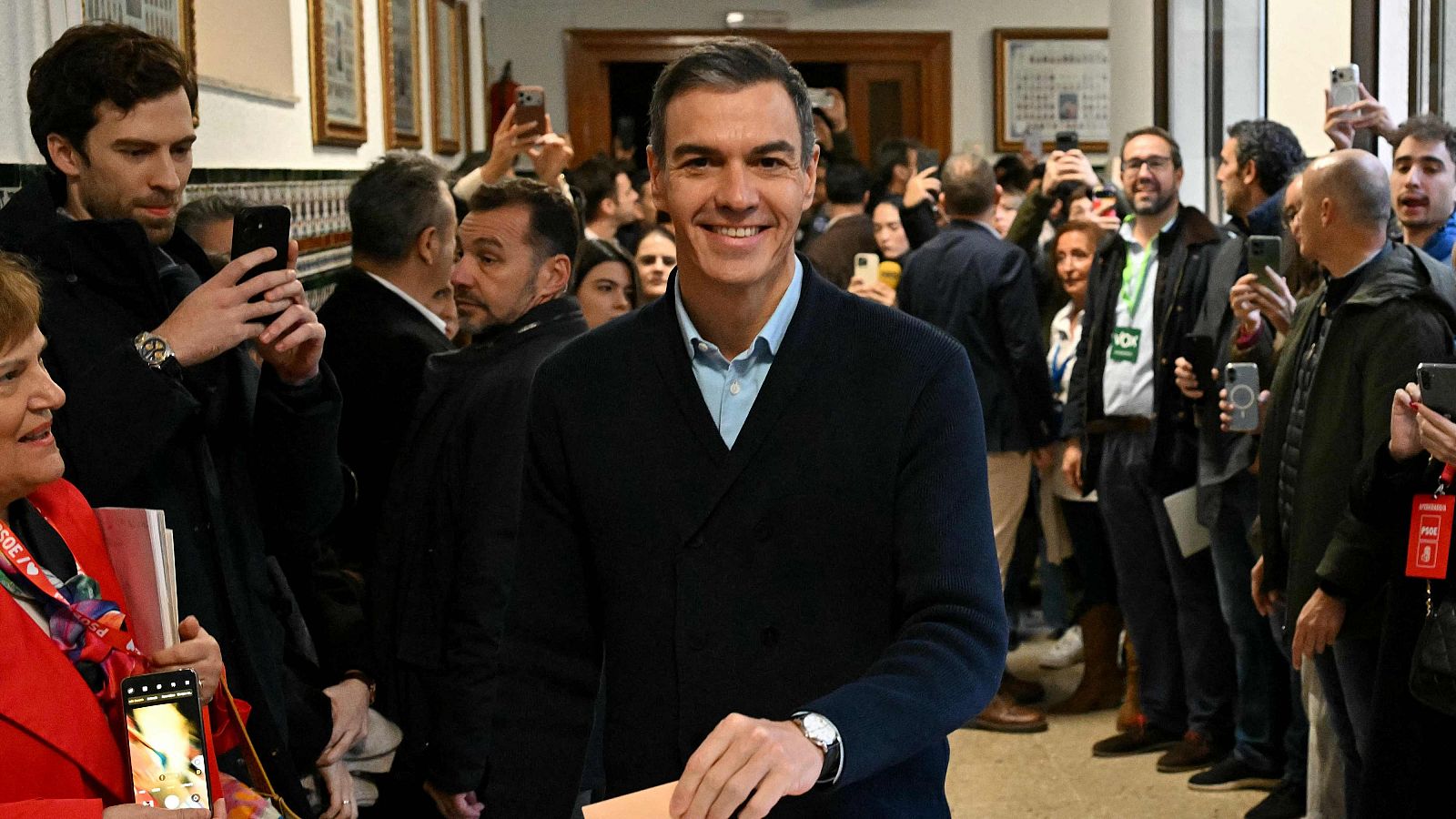
Spain is experiencing a decisive political moment as citizens have turned out en masse to polling stations to determine the future of the country’s governance. Polling stations have closed in most of the territory, except the Canary Islands, where the process continues for another hour.
High turnout, especially in Madrid, Valencia and Seville, has raised expectations of a tight race between the ruling Socialists and the conservative opposition.
Prime Minister Pedro Sánchez faces the challenge of retaining power, while the People’s Party, led by Alberto Núñez Feijóo, aims to take the helm of the country. A determining factor in shaping the next parliamentary majority could also be the far-right party Vox, led by Santiago Abascal.
176 seats are needed to secure a parliamentary majority. Sánchez has expressed confidence that turnout above 75% could favor progressive forces, while conservatives see citizen mobilization as an opportunity for political change.
Special attention is also being paid to the more than 1.6 million voters taking part in an election for the first time. The housing crisis and working conditions remain among the main concerns of the younger generation.
The electoral process is taking place in a tense climate for the Socialist government, which has faced strong criticism after two tragic rail accidents that claimed the lives of 114 people. The events also led to the resignation of Transport Minister Óscar Puente.
Preliminary results are expected to be published after 21:00, while around 22:30 a clearer picture of Spain’s political future is expected to emerge.